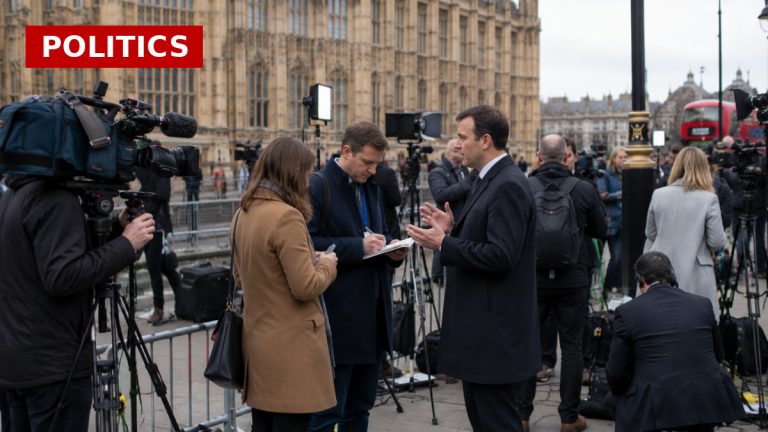
Nigel Farage’s resignation from Parliament has sparked significant debate about his motivations and the implications for UK politics. Critics argue that this move is a strategic ploy to evade scrutiny over his finances, particularly as investigations loom regarding a substantial donation from a cryptocurrency entrepreneur. By triggering a special election, Farage aims to position himself as a champion of the people against the political establishment, but this gambit could backfire if further inquiries reveal misconduct.
The absence of major party candidates in the upcoming election may seem advantageous for Farage, yet it raises questions about the legitimacy of his support. With Reform UK struggling in recent elections, this could be a last-ditch effort to regain momentum. If he wins, the ongoing investigation into his finances will continue, potentially leading to another election if wrongdoing is found.
Farage’s history of stepping away from leadership roles adds another layer of complexity. His critics suggest that this resignation is less about serving constituents and more about preserving his political image amid growing allegations. The political landscape is shifting, and Farage’s actions may reflect a desperate attempt to maintain relevance in a changing environment.
As the political climate evolves, Farage’s future hangs in the balance. His ability to navigate these challenges will not only affect his career but could also reshape the dynamics within the UK political sphere, particularly as public sentiment towards immigration and national identity continues to be a contentious issue.
Source: PBS News