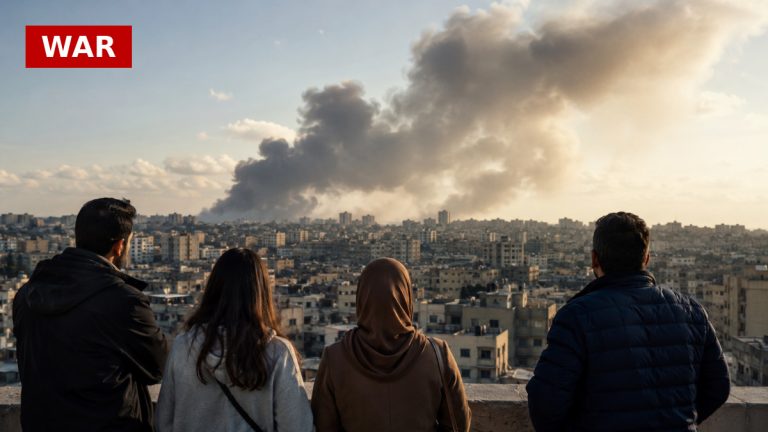
Since the June 17 memorandum of understanding between the US and Iran, tensions in the Strait of Hormuz have escalated significantly. Although over 500 ships have passed through the strait, many remain stranded due to ongoing hostilities. Recent attacks on vessels have reignited fears of a full-scale conflict, with Iran threatening to close the strait again, a critical passage for global oil shipments.
The strait is vital for international trade, with about one-fifth of the world’s oil passing through it daily. Disruptions here could lead to soaring oil prices and impact economies worldwide. The situation is further complicated by Iran’s insistence on designated shipping routes, which contradicts international norms regarding free passage in international waters.
As the US and Iran exchange strikes, the maritime landscape is shifting. Many ships are avoiding traditional routes due to safety concerns, opting for less direct paths that could increase shipping times and costs. The potential introduction of transit fees by Iran adds another layer of complexity, threatening to disrupt established shipping practices.
With approximately 6,000 seafarers stranded and the threat of renewed conflict looming, the implications for global energy markets and trade are profound. The situation remains precarious, and any further escalation could have lasting effects on international shipping and oil prices.
Source: Al Jazeera