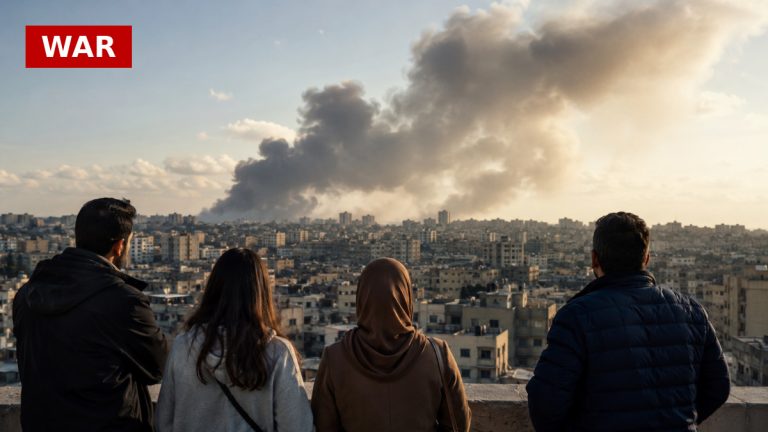
Recent explosions in Iran, particularly near the Bushehr nuclear site, have raised alarms about the ongoing conflict in the region. While the US military has denied involvement, the blasts coincide with heightened military rhetoric from Israeli officials, indicating that tensions are far from resolved. This situation underscores the fragile nature of the ceasefire established in June, which is now under significant strain due to reciprocal attacks between Iran and the US.
The explosions reported by Iranian media have not only caused immediate concern but also highlight the potential for a broader conflict. With Israel’s military leadership asserting that operations against Iran are ongoing, the risk of escalation is palpable. The US’s strategic interests in the Gulf, particularly regarding oil traffic through the Strait of Hormuz, complicate the situation further, as both nations navigate their conflicting agendas.
Moreover, the recent attacks on commercial shipping in the Strait of Hormuz have provoked a strong response from the Gulf Cooperation Council, emphasizing regional instability. The US’s removal of waivers on Iranian oil exports adds economic pressure, potentially leading to further retaliatory actions from Iran. This cycle of aggression could have significant implications for global energy markets and security dynamics in the Middle East.
As diplomatic talks remain suspended following the death of Iran’s Supreme Leader, the future of negotiations appears uncertain. The interplay of military actions and political maneuvering suggests that the situation could deteriorate rapidly, drawing in more regional players and impacting international relations significantly.
Source: Al Jazeera