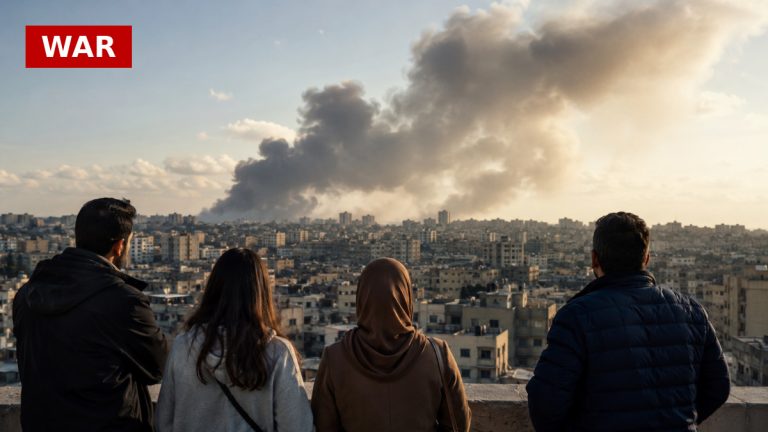
The recent US airstrikes against Iran mark a significant escalation in a conflict that has been simmering for months. With President Trump declaring the fragile ceasefire ‘over’, the implications for global oil markets and regional stability are profound. The Strait of Hormuz, a critical chokepoint for oil transport, is now under heightened threat, which could lead to increased shipping costs and volatility in oil prices.
Iran’s retaliatory strikes on US-allied nations like Kuwait and Qatar signal a dangerous shift in regional dynamics. This tit-for-tat exchange not only jeopardizes the safety of commercial shipping but also raises the stakes for international negotiations. The potential for miscalculation could lead to broader military engagement, impacting not just the Middle East but global economic stability.
Moreover, the targeting of Iran’s nuclear facilities during these strikes raises serious concerns about nuclear safety and the potential for catastrophic accidents. The UN has previously warned that military actions near such sites could pose significant risks, highlighting the precarious balance of power in the region.
As both nations continue to exchange threats and military actions, the long-term prospects for peace remain uncertain. The ongoing conflict could reshape alliances and influence energy policies worldwide, making it crucial for observers to monitor developments closely.
Source: The Guardian