Recent airstrikes in Iran, which occurred as the country mourned its late Supreme Leader, have left many questions unanswered. No party has claimed responsibility for these attacks, leading to speculation about potential new aggressors targeting Iran. The strikes come at a time when the U.S. has stated it concluded its own military actions in the region, raising concerns about who might be escalating tensions further.
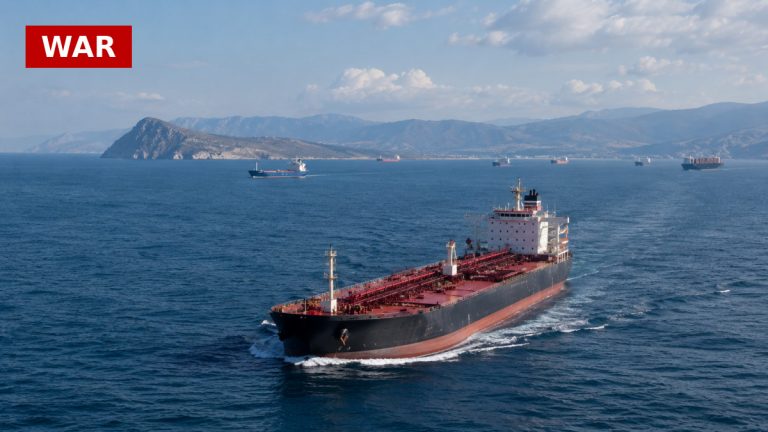
The implications of these strikes are significant, particularly for the Strait of Hormuz, a crucial waterway for global oil transport. Iran’s insistence on controlling this strait could lead to increased maritime tensions, impacting global energy markets. As Iran threatens to impose fees on vessels passing through, the potential for conflict in this vital area grows, which could disrupt oil supplies and drive prices up again.
Moreover, the airstrikes have prompted Iran to retaliate with missile attacks across the Middle East, targeting countries like Bahrain and Kuwait. This escalation not only threatens regional stability but also tests the fragile ceasefire between the U.S. and Iran, which has been tenuous at best.
As the situation develops, the involvement of Gulf states and their relationship with the U.S. could shift dramatically. The UAE has been warned by Iranian officials about its alleged support for U.S. actions, indicating that the regional dynamics are becoming increasingly complex and fraught with danger for all parties involved.
Source: PBS News