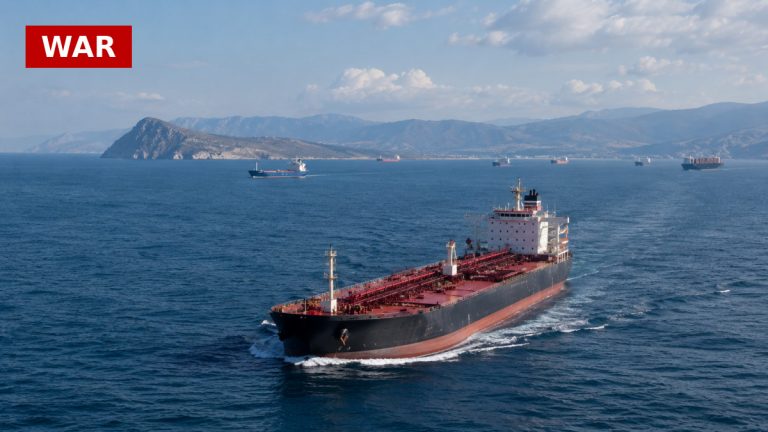
The U.S. has announced a blockade on Iran in the Strait of Hormuz, a critical maritime route for global oil transport. This move, which includes a proposed 20% toll on ships for safe passage, could significantly disrupt international shipping and escalate tensions in the region. With about a fifth of the world’s oil passing through this strait, the blockade raises concerns about rising oil prices and potential economic fallout for countries reliant on this supply.
The blockade comes amid ongoing military exchanges between the U.S. and Iran, with both sides asserting control over the strait. Iran’s response to the blockade could lead to further military confrontations, impacting not just regional stability but also global markets. As oil prices have already shown volatility, the potential for increased costs at the pump for consumers in the UK and beyond is a pressing concern.
Moreover, the blockade could alter shipping routes, forcing vessels to take longer paths, which would increase shipping costs and delivery times. This could lead to higher prices for goods and services, affecting everyday consumers and businesses alike. The geopolitical implications are profound, as allies and adversaries alike will need to navigate the new landscape of maritime security and trade.
As tensions escalate, the situation remains fluid, with the potential for a broader conflict that could disrupt not only oil supplies but also international relations. The U.S. military’s involvement and Iran’s determination to maintain its influence in the strait signal a critical juncture in Middle Eastern geopolitics, with far-reaching consequences for global energy security.
Source: PBS News