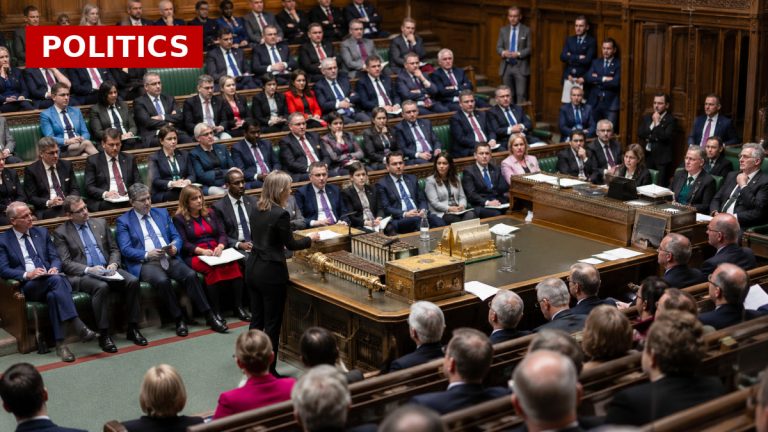
Keir Starmer’s resignation as Prime Minister signals a significant shift in UK politics, particularly for the Labour Party. With Andy Burnham set to take over, the party faces the challenge of rebuilding its image after Starmer’s tumultuous tenure, which was marred by missteps and declining public support. This transition could reshape Labour’s strategies and policies as they prepare for the next general election, which is not due until 2029.
Starmer’s leadership was characterized by a mix of domestic achievements and international diplomacy, notably in strengthening ties with the EU post-Brexit and supporting Ukraine. However, his inability to deliver on economic growth and public service reforms has left a legacy of dissatisfaction among party members and voters alike. The upcoming leadership change may bring fresh perspectives but also risks continuity of the challenges faced under Starmer.
As Burnham steps into the role, he must navigate the expectations of a party eager for revitalization while addressing the pressing issues of the cost of living crisis and public service restoration. The Labour Party’s future direction will be closely scrutinized, as they seek to regain trust and relevance in a changing political landscape.
Starmer’s farewell at Prime Minister’s Questions highlighted both his achievements and the challenges ahead for his successor. The political pantomime of PMQs will continue, but the focus will now shift to how Burnham will tackle the legacy left by Starmer and the broader implications for Labour’s electoral strategy moving forward.
Source: PBS News