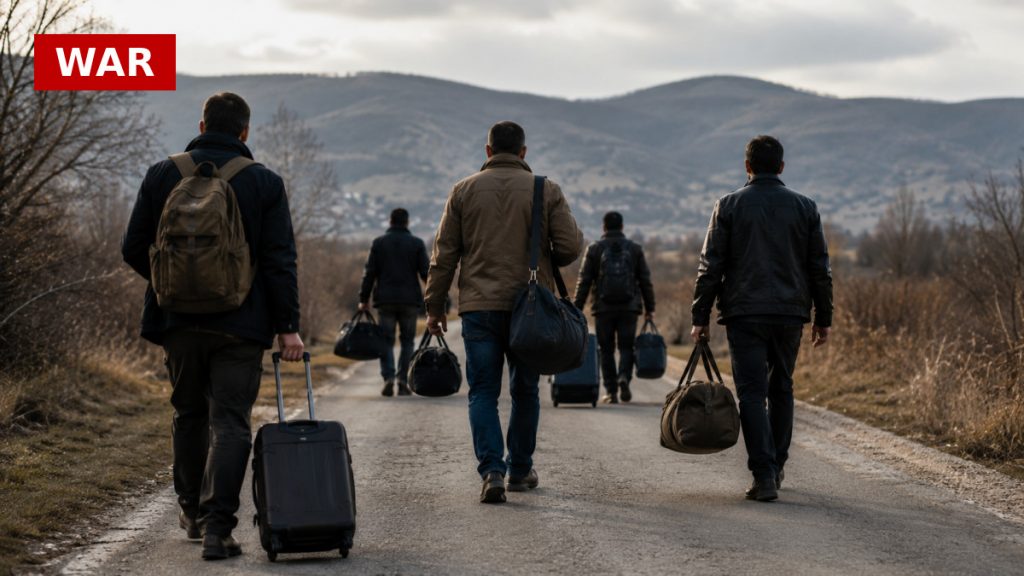
A recent court ruling in Kashmir has brought a long-awaited acknowledgment of loss for families of the disappeared. Junaid Rashid, whose father was taken by the military nearly 30 years ago, finally received a death certificate declaring his father, Abdul Rashid Wani, dead. This ruling is significant as it marks the first judicial recognition of enforced disappearances in the region, where thousands have vanished amid ongoing conflict.
The ruling not only confirms Wani’s death but also identifies an army officer responsible for his murder, highlighting the systemic issues of human rights abuses in Kashmir. This case reflects a broader pattern of violence and denial faced by families, many of whom have been left in limbo, unable to mourn or seek closure. The term ‘half-widows’ describes the wives of the missing, who live with uncertainty and grief.
The implications of this ruling extend beyond individual cases; it underscores the urgent need for accountability and justice in Kashmir. With estimates of up to 8,000 missing persons, this ruling could inspire other families to pursue legal recognition of their losses, potentially reshaping the narrative around human rights in the region.
As Kashmir remains one of the most militarized areas globally, this acknowledgment may also influence public sentiment and policy, pushing for greater transparency and reform. The long-term effects of such judicial actions could pave the way for healing and reconciliation in a region scarred by decades of conflict.
Source: Al Jazeera