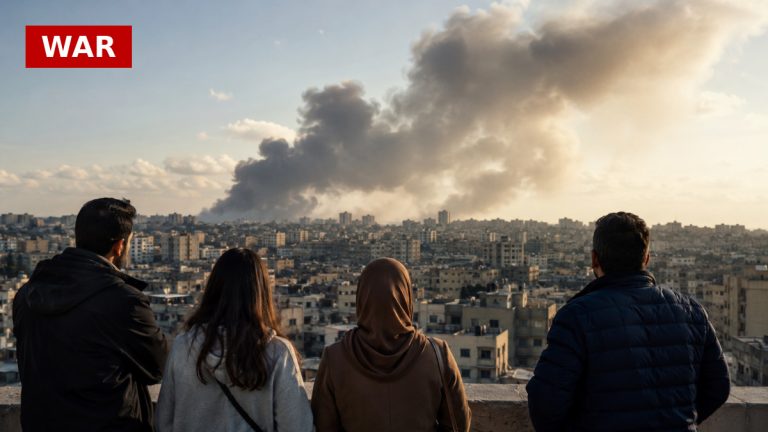
In the wake of Ayatollah Ali Khamenei’s death, Iran’s leadership has ramped up calls for revenge, signalling a shift in its domestic and foreign policy. This rhetoric, amplified by state media and lawmakers, serves multiple purposes: it aims to unify supporters at home while projecting strength abroad, despite the regime’s weakened military capabilities. The Iranian parliament’s endorsement of retaliation against Western figures illustrates a dangerous escalation that could lead to increased tensions in international relations.
The regime’s threats are not mere political posturing; they are a form of psychological warfare intended to deter adversaries and reassure its base. By framing its military setbacks as opportunities for vengeance, the Iranian leadership seeks to maintain its grip on power and divert attention from internal issues. This narrative is crucial for the regime, as it attempts to portray itself as resilient and capable of responding to perceived threats.
Moreover, the implications of this rhetoric extend beyond Iran’s borders. The threats target not only Western governments but also Iranian dissidents and activists abroad, creating a climate of fear and uncertainty. The regime’s history of overseas operations raises concerns about the potential for actual retaliatory actions, which could destabilise regions and affect global security.
As Iran continues to navigate its post-Khamenei landscape, the international community must remain vigilant. The aggressive rhetoric serves as a reminder of the complexities of Iranian politics and the potential for conflict, highlighting the need for diplomatic engagement to mitigate risks and foster stability in the region.
Source: DW News