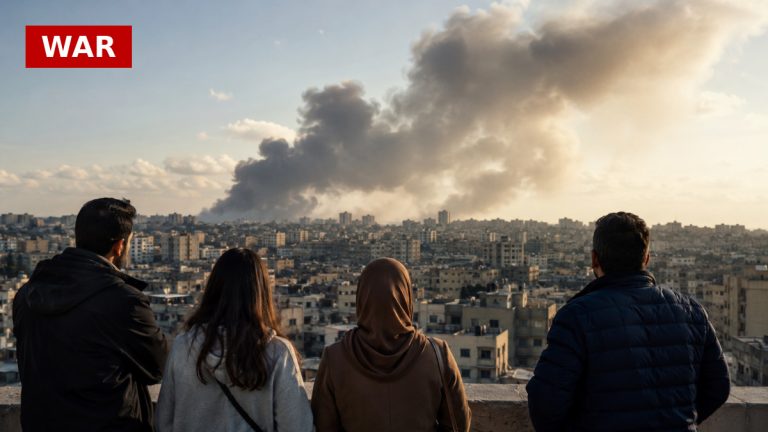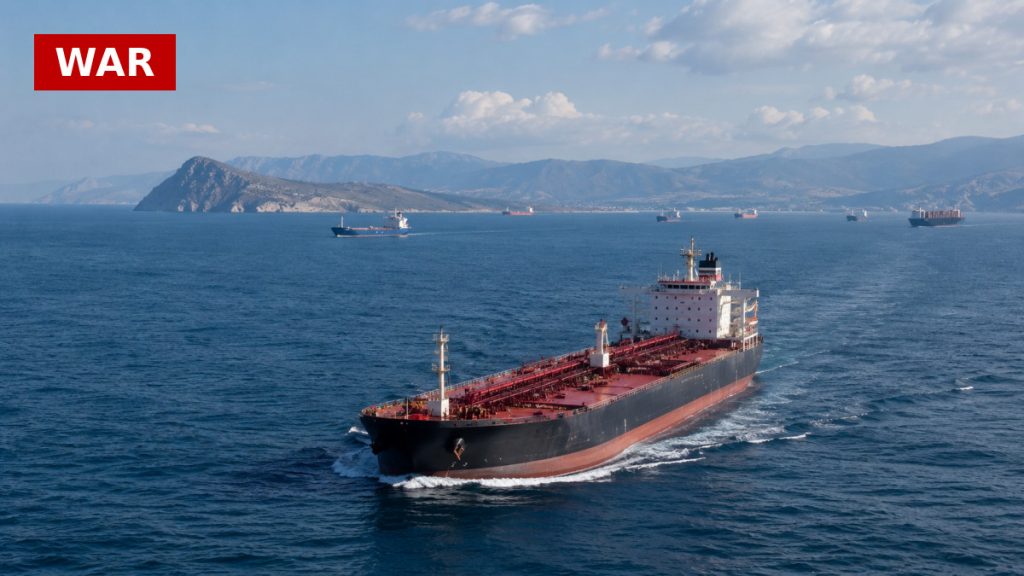
The ongoing conflict involving Iran is significantly impacting global shipping routes, particularly through the Strait of Hormuz, which is crucial for energy supplies. The UN’s maritime chief has warned that the situation is leading to increased costs and heightened risks for seafarers, as the number of vessels transiting the strait has drastically decreased. This reduction in shipping activity is not just a temporary setback; it could lead to long-term economic repercussions, including fuel shortages and rising prices for essential goods.
As tensions escalate, the potential for full-scale war looms, which could further disrupt international shipping. The International Maritime Organization has been urging ship owners to avoid the strait due to safety concerns, which could deter new entrants into the maritime workforce. This situation creates a vicious cycle where the risk to seafarers discourages people from joining the industry, exacerbating existing shortages.
Moreover, the conflict’s ripple effects extend beyond the Strait of Hormuz. The Iran-backed Houthis in Yemen are threatening to close the Bab al-Mandab Strait, another critical shipping lane. If both straits become unsafe, the global shipping industry could face unprecedented challenges, leading to higher costs that would ultimately be passed on to consumers.
In summary, the Iran conflict is not just a geopolitical issue; it poses a direct threat to global trade and everyday life, with rising costs and potential shortages affecting everyone. The situation underscores the interconnectedness of international relations and global supply chains, highlighting the urgent need for diplomatic solutions to restore safety in these vital waterways.
Source: PBS News