The recent surge in military actions between the US and Iran highlights a precarious balance between aggression and diplomacy. US forces have intensified strikes on Iranian military sites, targeting key infrastructure such as bridges and airports. This escalation raises concerns about a potential full-scale conflict, especially as Iran retaliates with missile and drone attacks on US bases in the region.
Despite the ongoing hostilities, the White House maintains that diplomatic channels remain open. Officials assert that while accountability for Iranian actions is necessary, there is still a willingness to negotiate. This dual approach of military readiness coupled with diplomatic overtures reflects a complex strategy aimed at deterring further Iranian aggression while seeking a peaceful resolution.
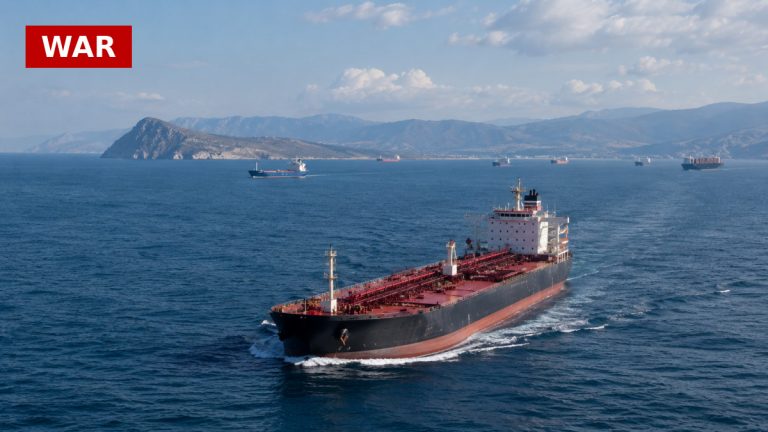
The implications of this conflict extend beyond military engagement. The Strait of Hormuz, a critical maritime route, is now a focal point for both sides, with potential disruptions affecting global oil supplies and international trade. As tensions rise, the economic ramifications could be significant, impacting household finances and energy prices in the UK and beyond.
As the situation evolves, the international community watches closely. The possibility of a diplomatic breakthrough remains, but the path forward is fraught with challenges. The recent release of a US detainee by Iran has sparked hope for dialogue, yet the underlying tensions suggest that the road to peace will be anything but straightforward.
Source: Radio Free Europe/Radio Liberty