As South Africa commemorates Mandela Day, the nation grapples with the stark reality of unfulfilled promises made by Nelson Mandela. Despite the end of apartheid, issues like inequality and xenophobia persist, challenging the very ideals Mandela championed. Many South Africans express frustration over the government’s failure to address unemployment and service delivery, leading to a rise in anti-migrant sentiment. This discontent is not just a social issue; it is politically charged, especially with local elections approaching, highlighting the complex interplay between governance and public sentiment.
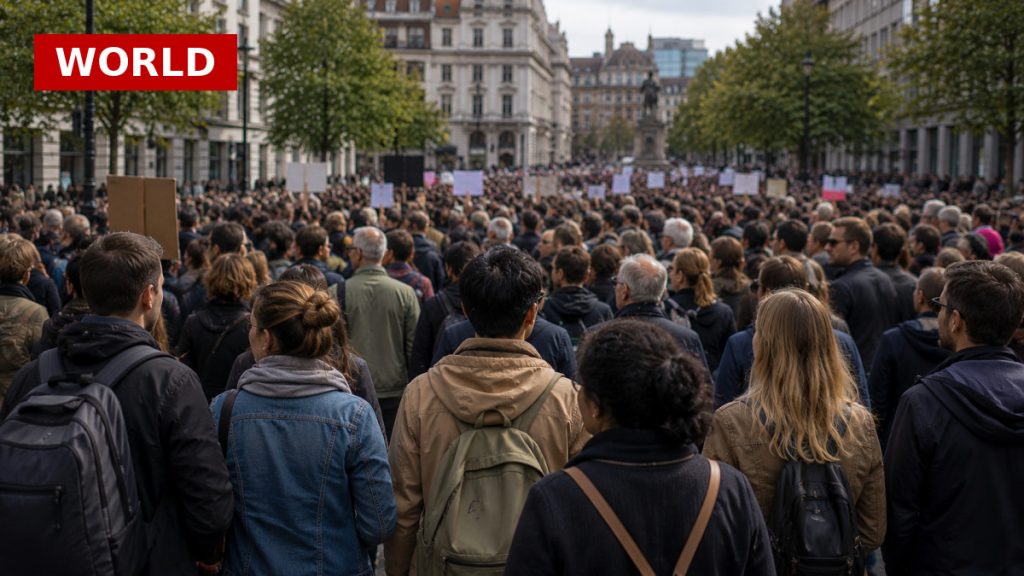
Critics argue that the legacy of Mandela is being manipulated for political gain, as opposition parties leverage public frustration to undermine the ruling government. The protests against migrants, while rooted in legitimate grievances, risk devolving into xenophobia, reflecting deeper societal divisions. Mandela’s vision of a united, reconciled South Africa seems increasingly distant as economic disparities persist, with wealth concentrated among a political elite rather than benefiting the broader population.
The ongoing struggles reveal a critical need for systemic change. Experts emphasize that without addressing the structural inequalities that continue to plague society, Mandela’s dream of a ‘rainbow nation’ will remain unfulfilled. Activists call for a renewed commitment to dismantling the remnants of apartheid, advocating for policies that promote equity and inclusion.
Ultimately, while South Africa maintains democratic freedoms and civil rights, the challenge lies in translating Mandela’s vision into tangible improvements for all citizens. The nation stands at a crossroads, where the choices made today will determine whether Mandela’s legacy inspires hope or despair in the years to come.
Source: DW News