The recent twin earthquakes in Venezuela have resulted in a staggering death toll exceeding 5,000, primarily affecting the coastal state of La Guaira. This disaster has not only caused immense loss of life but has also displaced around 20,000 individuals, many of whom are now living in overcrowded shelters with inadequate access to clean water and sanitation. The scale of destruction has raised serious concerns about the government’s disaster response, with accusations of delays and mismanagement surfacing in the aftermath.
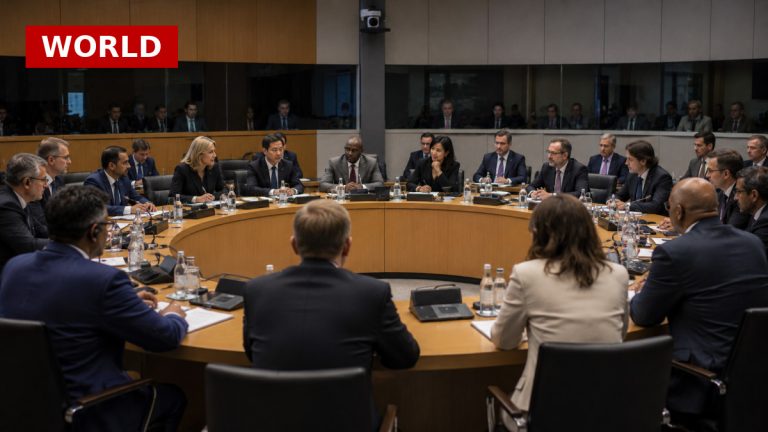
As the nation grapples with the aftermath, the International Monetary Fund (IMF) has stepped in, releasing $346 million in emergency funds to address urgent humanitarian needs. This financial aid is crucial for recovery efforts, especially given the extensive damage to infrastructure, including the main international airport and major seaport. The IMF’s involvement marks a significant shift, as relations were only restored earlier this year after years of suspension due to political turmoil.
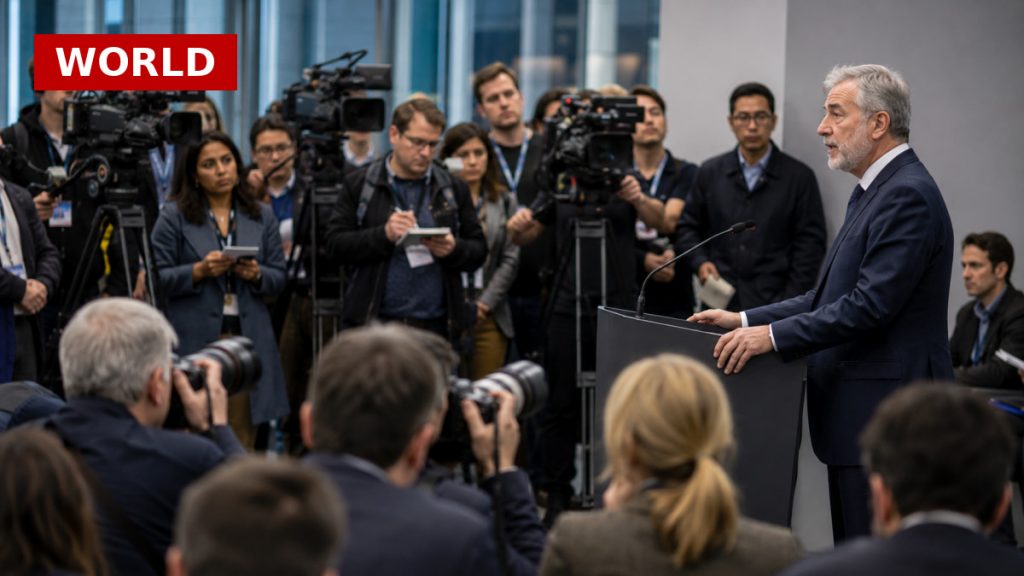
However, the government’s handling of the crisis has faced public scrutiny. Reports indicate that the initial rescue efforts were hampered by delayed military deployment orders and a lack of essential rescue equipment. These revelations have fueled public outrage, with many questioning the effectiveness of the government’s response during the critical early days following the earthquakes.
Looking ahead, the release of IMF funds may provide some relief, but the long-term recovery will depend on the government’s ability to address the immediate needs of the affected population and restore public trust. The situation remains fluid, and the full impact of the earthquakes on Venezuela’s already fragile economy and social fabric is yet to be seen.
Source: Al Jazeera