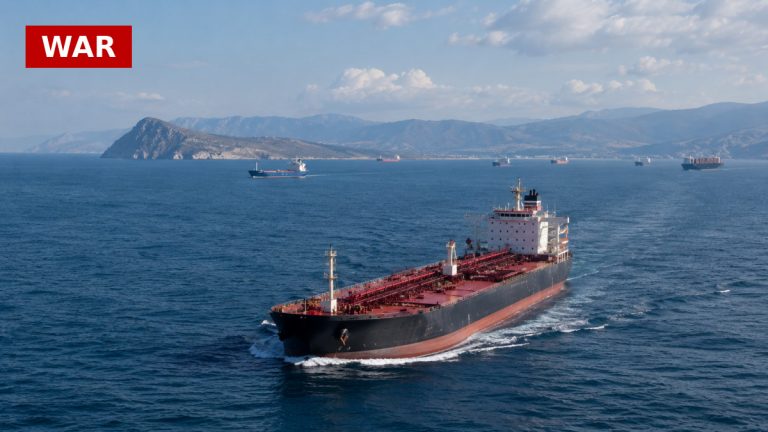
The US has launched its tenth consecutive night of attacks on Iran, marking a significant escalation in military tensions. These strikes, aimed at degrading Iranian military capabilities, come in response to recent Iranian missile attacks that resulted in US military casualties. The ongoing conflict not only threatens regional stability but also raises concerns about the safety of commercial shipping in the vital Strait of Hormuz, a key artery for global oil transport.
Iran’s retaliation, including strikes on US assets in Kuwait and Bahrain, signals a dangerous cycle of escalation. The potential for further military engagements could disrupt oil supplies, impacting global markets and household finances. As tensions rise, the possibility of a broader conflict looms, which could have far-reaching implications for international relations and security.
US President Trump’s commitment to retaliate against Iranian aggression suggests that military operations will continue, despite calls from some US lawmakers to de-escalate. This ongoing situation could lead to increased military presence in the region, affecting not only US troops but also allies and commercial interests.
As the conflict unfolds, the ripple effects on energy prices and international trade are becoming increasingly apparent. The situation underscores the interconnectedness of global security and economic stability, with the potential for significant impacts on everyday life in the UK and beyond.
Source: Al Jazeera