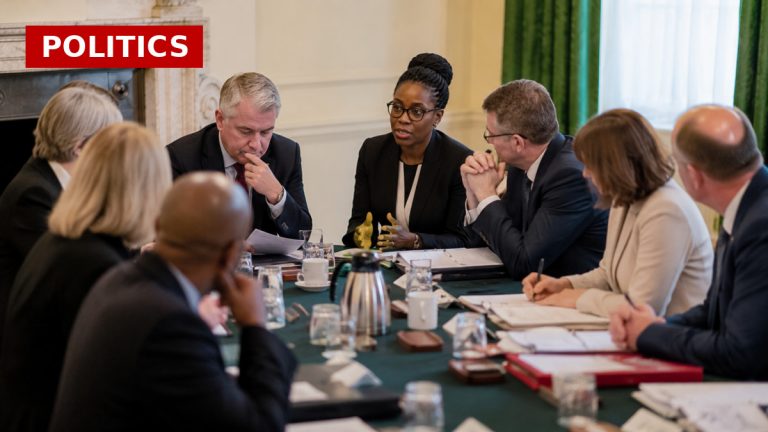
Andy Burnham’s recent cabinet appointments signal a significant shift in Labour’s internal dynamics. By rewarding loyalists and sidelining allies of former leader Keir Starmer, Burnham aims to establish a more inclusive government while also asserting his authority. This move could reshape party unity and influence future policy directions.
One notable appointment is that of former Defence Secretary, who now takes on the role of Chancellor. His extensive experience across various Labour factions positions him to advocate for increased funding for the Ministry of Defence, a critical area that had faced cuts under Starmer’s leadership. This could lead to a renewed focus on national security and defence spending.
Home Secretary Shabana Mahmood retains her position, reflecting continuity in Labour’s approach to immigration and crime. Her background and decisive nature suggest that Burnham’s government may adopt a tougher stance on these issues, potentially appealing to more centrist voters while risking alienation from the party’s left wing.
As Burnham’s cabinet begins its work, the implications of these appointments will unfold, impacting Labour’s strategy and its relationship with the electorate. The balance between inclusivity and loyalty will be crucial as the party navigates the challenges ahead.
Source: The Guardian