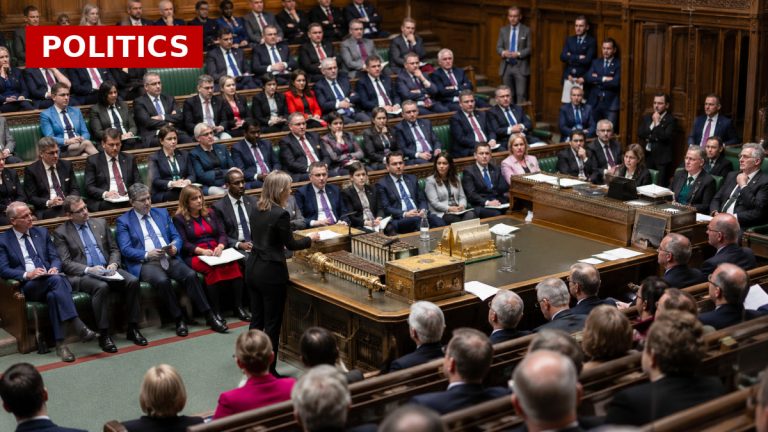
Natalie Fleet, the MP for Bolsover, has stepped down from her role as safeguarding minister, citing the overwhelming emotional toll it took on her. Fleet, a survivor of grooming and rape, found the responsibilities of the position too triggering, stating it was affecting her health. Her departure raises important questions about the support systems in place for those in sensitive government roles, especially for individuals with personal trauma.
Fleet’s resignation underscores the need for mental health considerations in high-stress positions, particularly those dealing with vulnerable populations. As safeguarding minister, she was tasked with addressing some of society’s most harrowing issues, which she described as hearing the worst of humanity. This experience can be particularly challenging for someone with her background, highlighting the importance of ensuring that ministers are equipped to handle such emotional burdens.
The implications of her resignation extend beyond personal health; they may impact the effectiveness of safeguarding policies. With Fleet’s departure, there is a concern that the role may not be filled by someone who can fully empathise with victims, potentially stalling progress in vital areas of public policy. The government must now consider how to support future ministers in similar roles to prevent burnout and ensure they can advocate effectively for those they serve.
As Prime Minister Andy Burnham prepares to announce new appointments, the focus will be on finding a successor who can navigate the complexities of safeguarding while maintaining their well-being. Fleet’s willingness to prioritise her mental health serves as a reminder of the human element in politics, particularly in roles that demand emotional resilience and compassion.
Source: BBC News