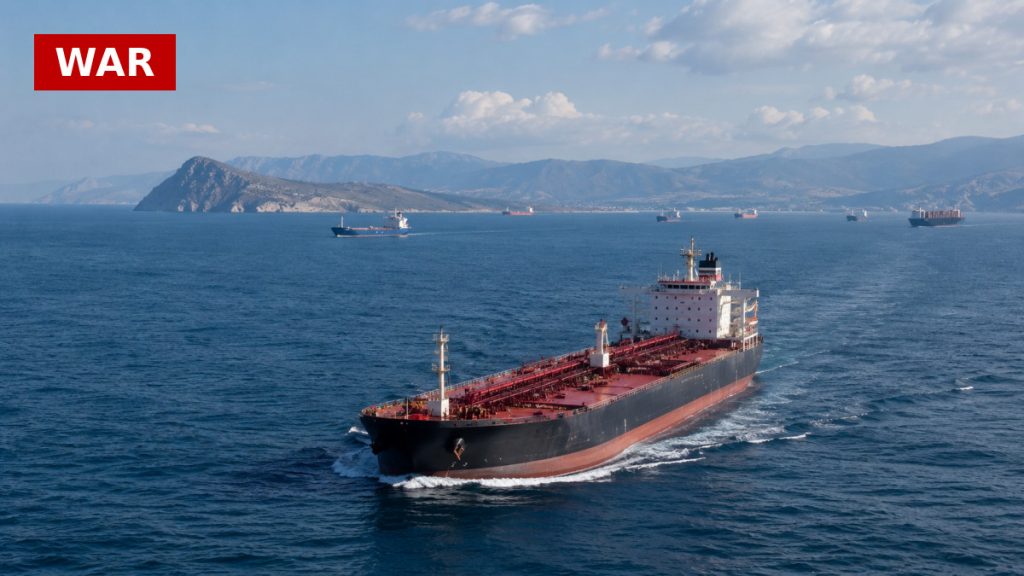
The ongoing conflict in the Middle East has intensified with Iran and the Houthis targeting oil tankers, raising significant concerns for global shipping routes. The Bab al-Mandeb strait and the Strait of Hormuz are now under increased threat, impacting oil supply chains and potentially driving up prices. As the US continues its military strikes against Iranian assets, the IRGC has warned that any vessels entering these waters without permission will face severe consequences, effectively controlling access to a vital maritime corridor.
The Houthis’ recent attacks on Saudi oil tankers highlight a broader strategy of retaliation against perceived aggressors, framing their actions as a response to a long-standing siege on Yemen. This tit-for-tat escalation not only threatens regional stability but also poses risks to international energy markets, as disruptions could lead to higher fuel costs for consumers worldwide.
The situation is further complicated by the US’s military involvement, which has already resulted in casualties and damage to infrastructure in Iran. The IRGC’s claims of targeting US military assets in Kuwait and Jordan suggest a widening conflict that could draw in more regional players, potentially destabilising the entire Gulf region.
As tensions rise, the implications for global trade and energy security are profound. Businesses and consumers alike should prepare for potential disruptions, as the conflict could lead to increased shipping costs and volatility in oil prices, affecting everything from transportation to heating bills in the UK and beyond.
Source: Al Jazeera