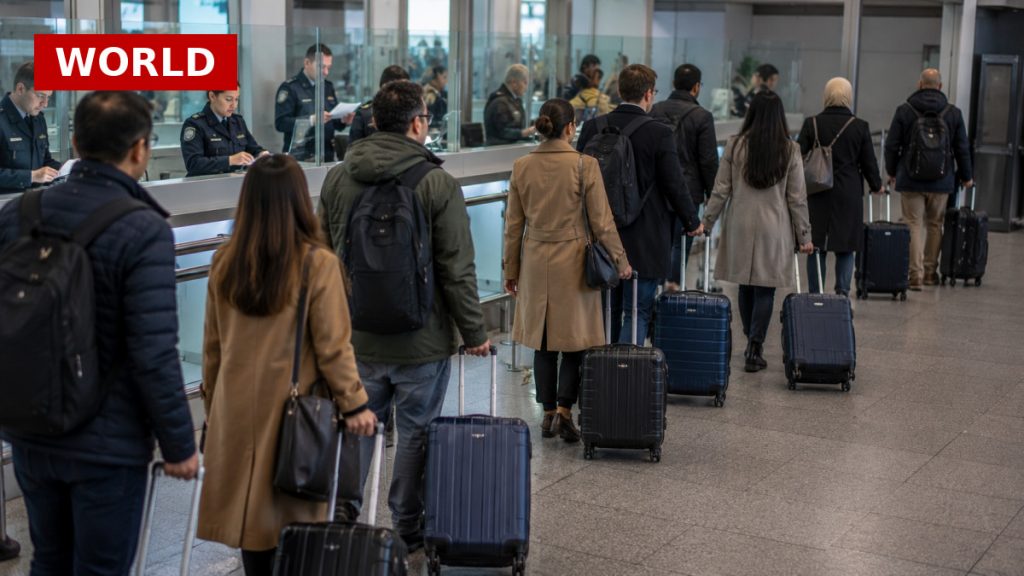
The strength of a passport can significantly affect an individual’s ability to travel, reflecting broader global inequalities. While many passports have gained mobility in recent years, allowing easier access to numerous countries, others remain severely restricted. For instance, holders of passports from Afghanistan or Syria face daunting barriers, often needing visas for nearly all destinations, which can hinder personal and professional opportunities.
The implications of passport strength extend beyond mere travel convenience. Countries that have improved their passport rankings, such as Georgia and Ukraine, have seen increased tourism and economic benefits. Conversely, nations like Vanuatu have suffered declines in passport power due to international policy changes, affecting their citizens’ freedom to travel.
Moreover, the introduction of a ‘welcoming score’ highlights disparities in how countries treat foreign visitors. While some nations boast strong passports, they maintain strict entry requirements, complicating travel for many. This duality raises questions about the fairness of global mobility and the experiences of those with weaker passports.
As countries continue to negotiate visa-free agreements, the landscape of global travel is evolving. Understanding these dynamics is crucial, as they not only shape individual experiences but also reflect shifting geopolitical relationships and economic realities worldwide.
Source: The Guardian