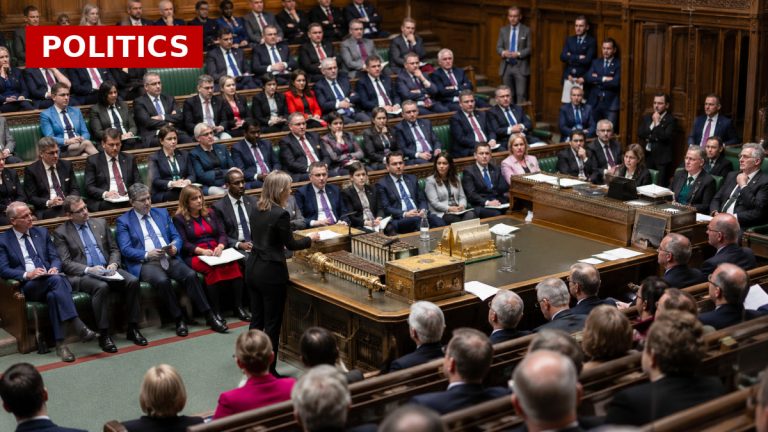
In a recent visit to Scotland, UK Prime Minister Andy Burnham firmly stated that a new referendum on Scottish independence is off the table. He emphasized that such a vote would divert focus from pressing economic issues, particularly the cost of living crisis, which he aims to address as a priority for his administration.
Burnham’s comments come in the wake of Scotland’s previous independence referendum in 2014, where 55% voted to remain in the UK. Since then, the Scottish government has sought another vote, citing changing circumstances following Brexit, which 62% of Scots opposed. However, the UK Supreme Court has ruled that Scotland cannot hold a referendum without Westminster’s approval.
During discussions with Scotland’s First Minister John Swinney, Burnham suggested that they would need to “agree to disagree” on independence. Instead, he proposed focusing on practical measures to improve living standards across the UK, indicating a shift towards local governance and devolution as a means to stimulate economic recovery.
This stance may have significant implications for Scotland’s political landscape, as it underscores the UK government’s resistance to further independence discussions while prioritizing economic stability. The outcome of this approach could shape future relations between Scotland and Westminster, particularly as local autonomy becomes a focal point for Burnham’s administration.
Source: Al Jazeera