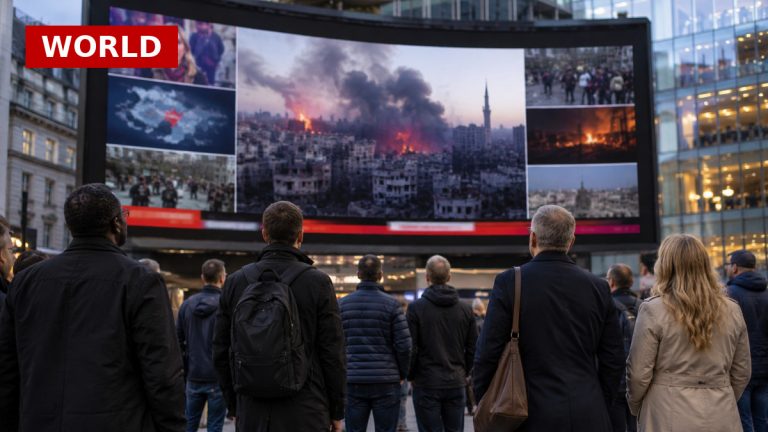
Israel’s recent media reforms, pushed by Prime Minister Netanyahu’s government, have sparked significant criticism regarding their potential impact on press freedom and election integrity. The reforms, which strip away traditional oversight and minimum journalism standards, could reshape the media landscape just before the upcoming elections on October 27. Critics argue that these changes may lead to biased reporting, favouring right-wing narratives and limiting diverse viewpoints.
The legislation has already faced legal challenges, with watchdog groups successfully freezing parts of it. This legal intervention highlights the urgency of the situation, as the government must respond quickly to avoid further implications for media independence. The reforms are seen as part of a broader strategy by Netanyahu to control the narrative surrounding his administration, especially amid ongoing corruption allegations against him.
Observers warn that the reforms could exacerbate existing biases in Israeli media, which has been criticized for its nationalist slant and lack of representation for Palestinian perspectives. The potential for increased propaganda and diminished critical reporting raises concerns about the public’s access to reliable information during a crucial electoral period.
As the election approaches, the implications of these reforms could extend beyond media coverage, influencing public opinion and voter behaviour. The situation underscores the delicate balance between governance and media independence in a democratic society, with significant consequences for the future of journalism in Israel.
Source: Al Jazeera