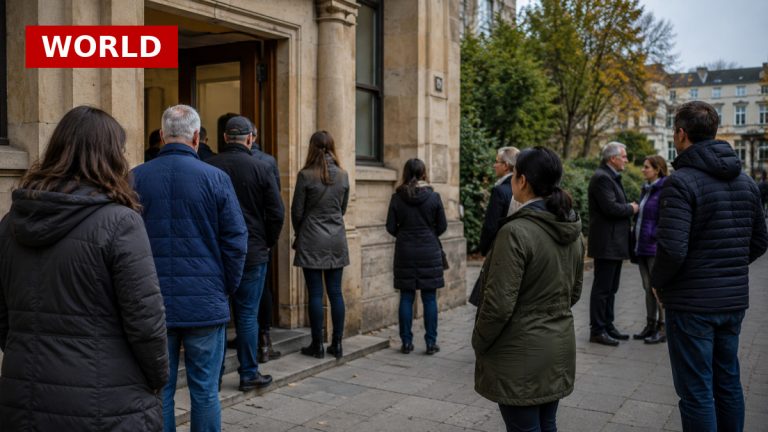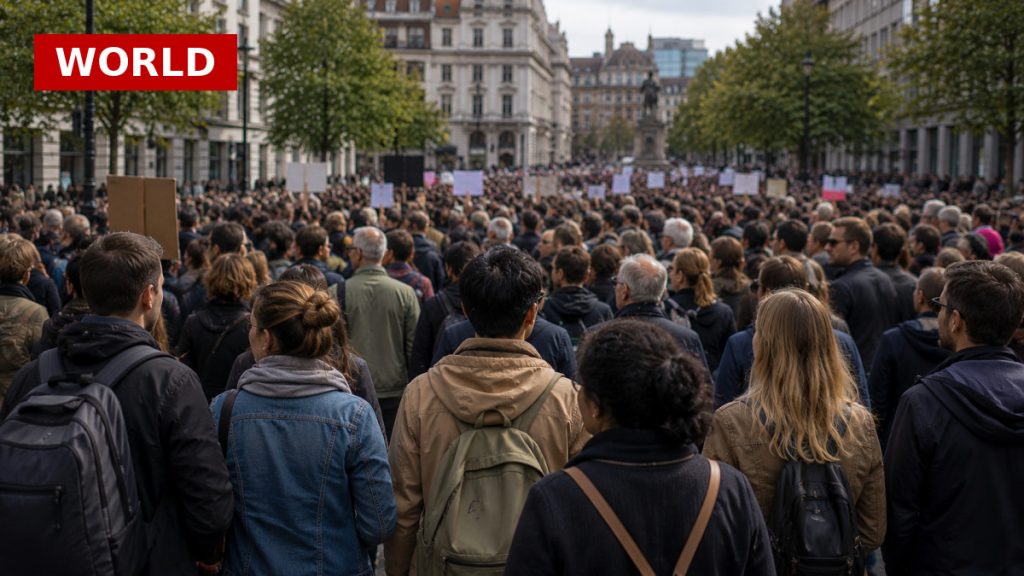
Recent protests in South Africa have escalated into violent demonstrations targeting immigrants, particularly those from Malawi and other neighbouring countries. Thousands have fled their homes amid fears for their safety, driven out by a surge in armed robberies and community tensions. The situation has reached a critical point, with reports indicating that over 160,000 people have left the country, many deported, while others seek refuge at consulates.
The protests, which began in March, have seen campaigners demanding the expulsion of undocumented immigrants, blaming them for South Africa’s high unemployment and inequality. This scapegoating has led to a rise in violence, with many immigrants experiencing threats and physical attacks. The government has been criticized for its inadequate response, as police have been observed doing little to protect those targeted during these demonstrations.
As the situation deteriorates, the humanitarian implications are significant. Many immigrants are unable to access healthcare, and reports of untreated medical conditions are rising. Families are being torn apart, with individuals sent back to their home countries while others remain stranded, unable to afford the costs of relocation. This has resulted in a humanitarian crisis, with vulnerable populations left to fend for themselves in increasingly hostile environments.
The ongoing violence and displacement not only affect the individuals involved but also have broader implications for South Africa’s societal stability. As tensions rise, the potential for further unrest and violence looms, raising questions about the future of immigration policy and community relations in the country.
Source: The Guardian