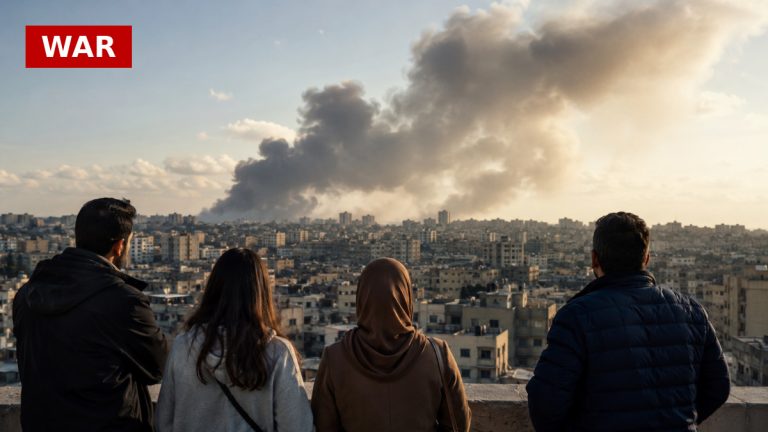
The wildfires raging through southwestern Europe have led to the evacuation of over 325,000 people in France and Spain, marking a significant humanitarian crisis. These fires, exacerbated by record-breaking heatwaves, have destroyed vast areas of land, with France experiencing its worst wildfires since World War II. The impact is not just environmental; it disrupts local economies, particularly in tourist-heavy regions like Bordeaux, where the fires threaten vineyards and holiday destinations.
As firefighters struggle against unprecedented conditions, including the formation of pyrocumulonimbus clouds, the situation is dire. These clouds, created by intense heat, complicate firefighting efforts and indicate a worrying trend of increasingly severe wildfires in Europe. The fires have already affected major events, such as the Tour de France finale, showcasing how these natural disasters can ripple through society.
The long-term implications of these wildfires extend beyond immediate evacuations. With climate change intensifying weather patterns, communities may face more frequent and severe wildfires, altering daily life and economic stability. The need for improved disaster preparedness and response strategies is becoming increasingly urgent as these events become more common.
In the wake of these disasters, the focus must shift to sustainable practices and policies that can mitigate future risks. As Europe grapples with this crisis, the lessons learned will be crucial for building resilience against future environmental challenges.
Source: Al Jazeera