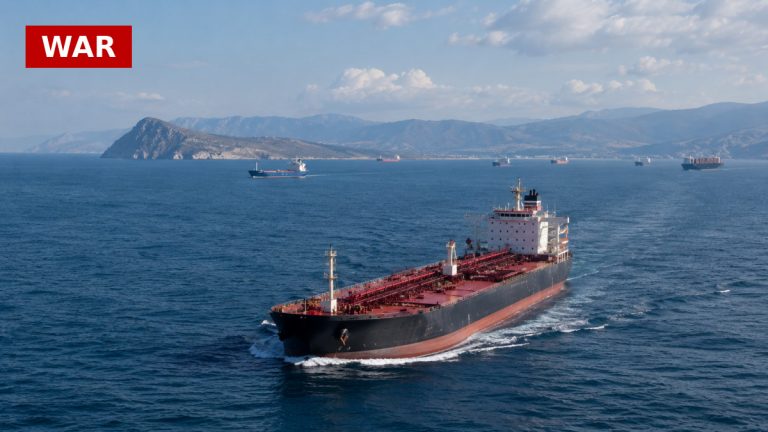
Recent mediation efforts have shown progress in easing tensions between the U.S. and Iran, with both sides pausing attacks after a period of escalated conflict. This pause is significant as it may lead to a renewed focus on negotiations, particularly regarding the crucial Strait of Hormuz, a vital waterway for global oil shipments.
The ongoing drone attacks by Iran-backed groups highlight the fragile nature of this ceasefire. Saudi Arabia reported intercepting drones targeting its oil facilities, indicating that while direct confrontations may have decreased, the threat of proxy warfare persists. This situation raises concerns about the stability of energy supplies and the potential for further economic repercussions.
Mediators from Qatar and Pakistan are working to bridge gaps between Washington and Tehran, aiming to establish a new interim ceasefire deal. The implications of these negotiations extend beyond immediate military concerns, as they could influence global oil prices and shipping routes, affecting economies worldwide.
As the situation evolves, the focus on managing maritime traffic through the Strait of Hormuz becomes increasingly critical. Iran’s assertion of its rights to control shipping in this area could lead to significant changes in international trade dynamics, with potential fees for passage that could reshape global energy markets.
Source: PBS News