The ongoing conflict between the U.S. and Iran has highlighted significant vulnerabilities in U.S. air defense capabilities. As tensions escalate, the shortfall in ballistic missile and drone defense systems is raising alarms among military experts. This shortage could hinder the U.S. ability to protect its bases and allies in the region, potentially leading to increased risks for American personnel and strategic interests.
Recent reports indicate that the U.S. military is facing challenges in maintaining adequate inventories of sophisticated defense systems, such as the Patriot missile system. With the conflict intensifying, the demand for these systems has surged, yet production and supply have not kept pace. This could force the U.S. to reconsider its military strategies and responses in the region, impacting its overall defense posture.
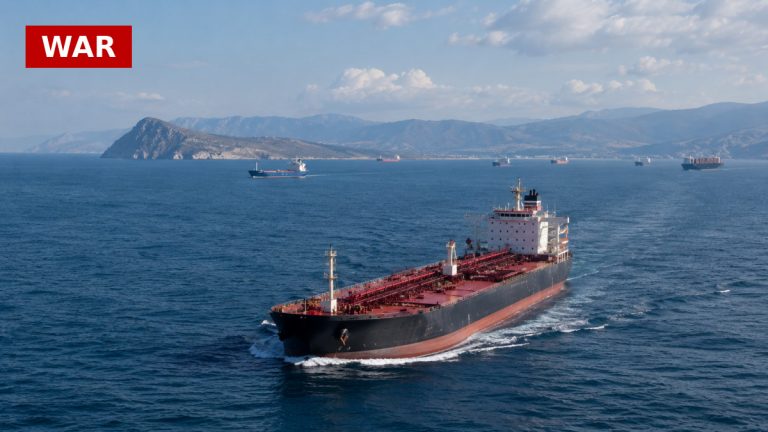
The implications of this situation extend beyond immediate military concerns. If the U.S. cannot effectively defend against Iranian missile and drone attacks, it may embolden Iran and its allies, leading to further destabilization in the Gulf. This dynamic could also affect global oil supply routes, with potential repercussions for energy prices and international markets, directly impacting the UK economy.
As the situation develops, the U.S. must navigate a delicate balance between deterrence and diplomacy. The ongoing air defense shortages could limit options available to policymakers, making it crucial for the U.S. to address these supply issues to maintain strategic stability in the region.
Source: PBS News