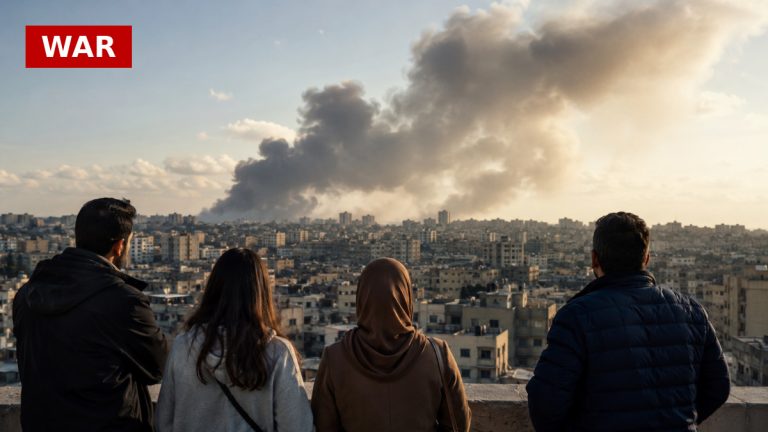
Negotiations between the US and Iran are currently focused on the management of the Strait of Hormuz, a critical shipping route for global oil supplies. US President Trump has indicated a ‘good chance’ of progress in these talks, which come after a period of escalating military tensions. The outcome of these discussions could significantly impact oil prices and global energy security, as the strait is vital for transporting about one-fifth of the world’s oil.
The talks are being mediated by Oman, with involvement from other regional players like Qatar and Pakistan. However, Iran has publicly denied direct negotiations with the US, complicating the diplomatic landscape. The ongoing disputes over transit fees and control of the strait have emerged as major sticking points, threatening to derail any potential agreements.
As both sides have paused military actions, the focus now shifts to whether this diplomatic push can yield a sustainable resolution. The implications of these negotiations extend beyond immediate military concerns; they could reshape energy markets and influence geopolitical alliances in the region.
The situation remains fluid, with the potential for renewed conflict if talks falter. Observers are closely watching how these negotiations unfold, as they could set the stage for future interactions between the US and Iran, impacting not just regional stability but also global economic conditions.
Source: Al Jazeera