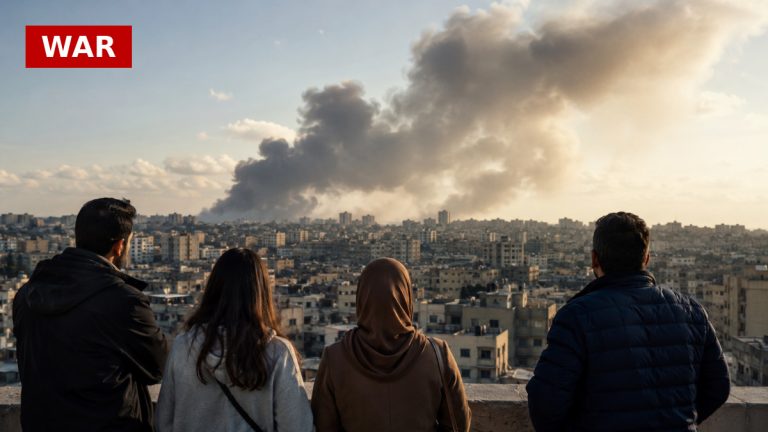
Iran’s recent military actions against US interests in the region highlight a significant shift in its approach to international negotiations. By rejecting Oman’s proposal for joint oversight of the Strait of Hormuz, Iran is asserting its control over this critical maritime route, which is vital for global oil shipments. This defiance not only escalates tensions but also raises concerns about the potential for a wider conflict that could disrupt international trade and energy supplies.
The Iranian leadership’s hardened stance reflects a growing belief that the US may escalate military operations against Iran. This perception is influencing Iran’s military strategy, as evidenced by its recent missile strikes and threats to close the Strait if its demands are not met. Such actions could have immediate repercussions for global oil prices and shipping routes, affecting economies far beyond the region.
Moreover, Iran’s rejection of diplomatic overtures signals a potential shift towards a more aggressive posture in the region. As the US and its allies consider their next moves, the risk of miscalculation increases, which could lead to unintended military confrontations. This situation underscores the fragility of peace in the region and the complexities of international diplomacy.
The implications of these developments extend beyond military concerns; they also affect energy markets and geopolitical alliances. Countries reliant on oil from the Gulf may need to reassess their strategies in light of potential disruptions, while regional powers may seek to bolster their military capabilities in response to Iran’s assertiveness. The unfolding situation in the Strait of Hormuz is a critical flashpoint that warrants close attention from global leaders and analysts alike.
Source: Al Jazeera