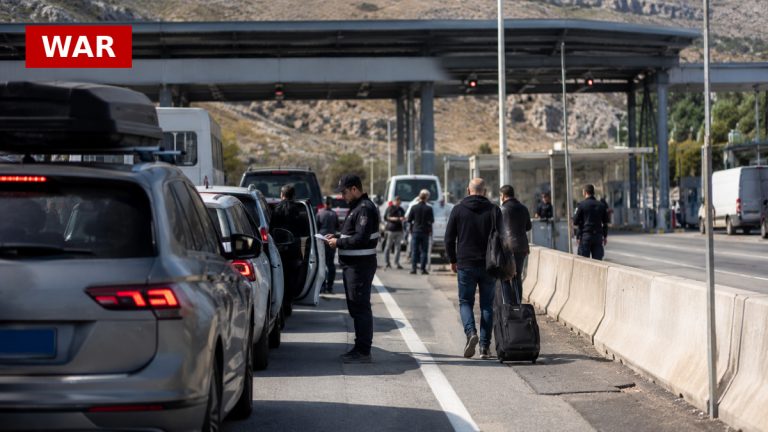
Spain has deployed military and police forces to Ceuta following a surge of migrants attempting to cross from Morocco, resulting in at least 34 fatalities. This unprecedented influx, with around 60,000 migrants arriving in just a few days, has raised alarms about border security and migration policies across Europe. The situation has prompted calls for tighter border controls in France and discussions about suspending Spain from the Schengen Area.
The recent surge is partly attributed to a Spanish Supreme Court ruling that limits immediate repatriation of migrants intercepted at sea, although many migrants may not be aware of this legal change. The Spanish government is under pressure to respond effectively, with Prime Minister Pedro Sanchez pledging to protect Ceuta’s security and cooperate with Morocco for repatriations.
This crisis not only highlights the challenges of managing migration but also poses significant political risks for Sanchez ahead of upcoming elections. Opposition parties are criticizing the government’s handling of border security, framing the situation as a national security crisis. The mayor of Ceuta has even called for a state of emergency, reflecting the urgency of the situation.
As tensions rise, the implications for EU migration policy and Spain’s role in managing its borders are becoming increasingly significant. The outcome of this crisis could reshape future migration strategies and influence political dynamics within Spain and across Europe.
Source: Al Jazeera