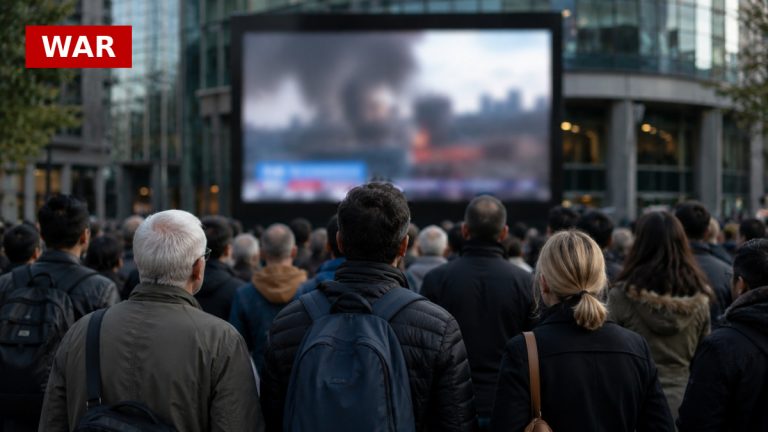
As the war in Iran stretches into its sixth month, the impact on ordinary citizens is becoming increasingly dire. Reports indicate that over 2,500 children have been killed or injured, highlighting the severe toll on the younger population. Amidst military strikes and government crackdowns, the economic situation has deteriorated, with soaring inflation and job losses compounding the struggles faced by families.
The Iranian government’s narrative of resilience starkly contrasts with the lived experiences of its citizens. Many who once hoped for military intervention to dislodge the regime now express despair, feeling trapped in a cycle of violence and repression. The government’s heavy-handed tactics, including internet shutdowns and increased executions, have stifled dissent and made it perilous for individuals to voice their grievances.
Infrastructure damage from the conflict has further exacerbated daily hardships, leaving many without basic services. The government’s inability to address these issues has led to a growing sense of hopelessness among the populace, who are grappling with the dual pressures of war and oppressive governance.
As the situation evolves, the gap between the government’s claims of strength and the reality faced by citizens widens. This disconnect raises critical questions about the future of governance in Iran and the potential for change amidst ongoing turmoil.
Source: PBS News