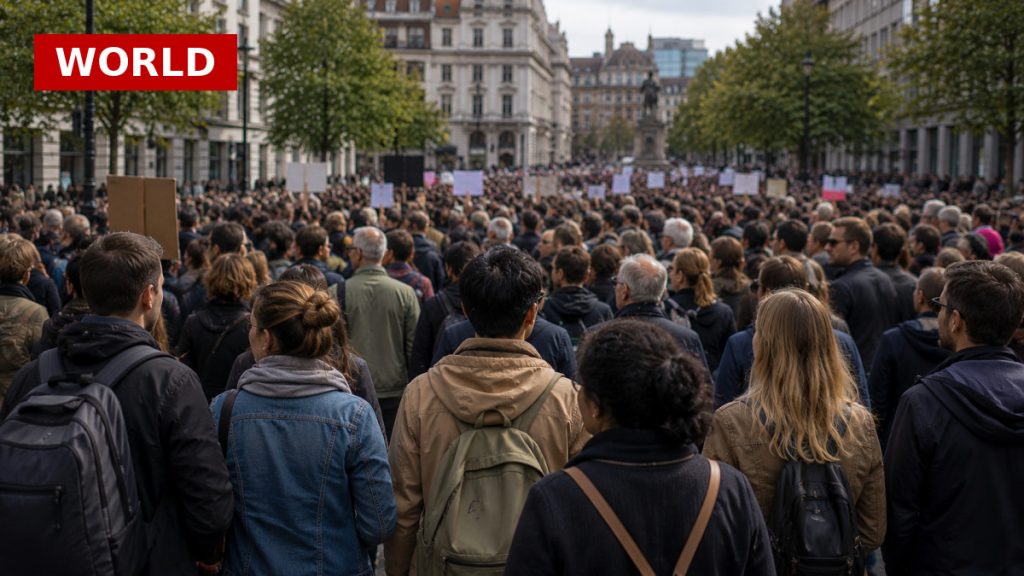
Tunisia is experiencing a simmering public anger that is largely hidden beneath a facade of enforced calm. Five years after President Kais Saied’s power grab, the hopes for democracy that emerged from the 2011 revolution have faded. The economy is deteriorating, exacerbated by a heatwave and wildfires, leading to routine blackouts and widespread discontent. Protests have erupted in the capital, reflecting frustrations over Saied’s autocratic rule and the dire living conditions faced by many Tunisians.
The government’s failure to manage basic services has resulted in staggering power cuts, sometimes lasting up to 12 hours, which have dire consequences for agriculture and public health. As livestock die and businesses close, the anger is increasingly directed at state-owned utilities, yet the president remains insulated from criticism. This disconnect highlights a troubling trend where citizens are left to grapple with the fallout of government mismanagement without a clear avenue for dissent.
Moreover, the crackdown on media and political opposition has stifled public discourse, leaving many to self-censor or flee the country. With nearly all government critics jailed or exiled, the space for legitimate criticism has shrunk dramatically. This environment of fear and repression raises concerns about the long-term implications for Tunisia’s stability and governance.
Internationally, Tunisia’s plight is being overlooked as external actors prioritize stability over democratic values. The EU’s support for Saied’s regime, driven by concerns over migration, further complicates the situation. As the country grapples with its internal crises, the potential for a larger societal upheaval looms, driven by a populace increasingly aware of their deteriorating rights and living conditions.
Source: Al Jazeera