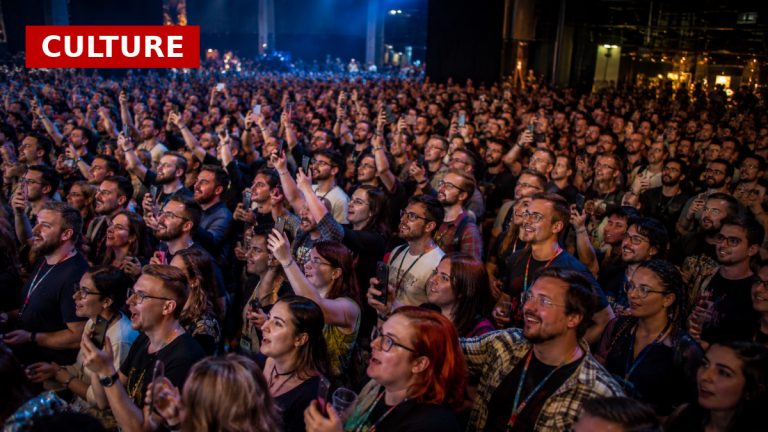
As the UK grapples with increasing screen time, a growing movement is encouraging people to disconnect from their devices. Initiatives like the Offline Project are gaining traction, offering events where participants surrender their phones to fully engage in activities like art classes and group walks. This shift highlights a societal craving for genuine connections and mindfulness in an era dominated by digital distractions.
The average Brit now spends over four hours online daily, often succumbing to doomscrolling. This trend has sparked a backlash, with venues implementing smartphone bans and events designed to promote face-to-face interaction. The appeal of these digital detox experiences is evident, as many attendees report feeling liberated and more present without their devices.
Upcoming government regulations, such as a social media ban for under-16s, further underscore the urgency of addressing screen addiction. As younger generations face these restrictions, the desire for engaging, offline activities is likely to grow, potentially reshaping social norms around technology use.
This movement isn’t just about reducing screen time; it’s about fostering community and enhancing mental well-being. As more people seek out phone-free environments, we may see a cultural shift towards valuing real-life interactions over virtual ones, paving the way for a healthier relationship with technology.
Source: The Guardian