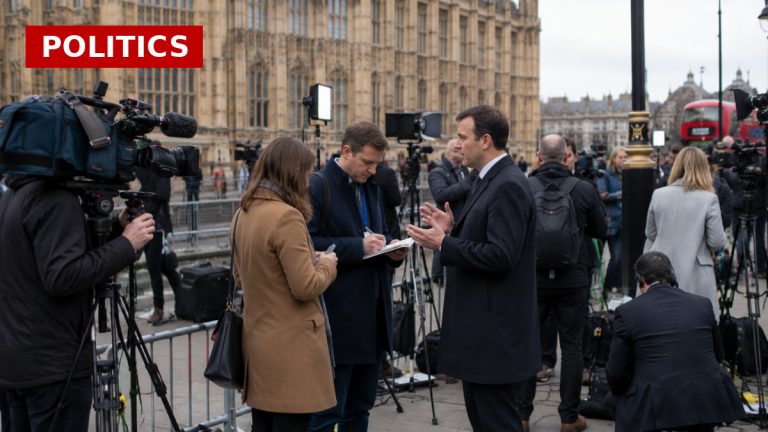
A recent tribunal ruling has determined that the criminal records of UK ministers will remain confidential, preventing the public from knowing which Cabinet members have disclosed past convictions. This decision, made by the first-tier information tribunal, was in response to a request from The Times, which sought to uncover how many ministers in Sir Keir Starmer’s government had declared criminal records during their vetting process.
The tribunal sided with the government, citing data protection laws that classify such information as sensitive. This ruling raises significant concerns about transparency and accountability in government, especially following the resignation of Transport Secretary Louise Haigh after her undisclosed fraud conviction came to light. The public’s ability to scrutinise the integrity of those in power is now severely limited.
While the tribunal acknowledged the public interest in understanding the standards of public life, it ultimately ruled that even confirming whether ministers had declared convictions could breach privacy laws. This leaves voters without crucial information about the backgrounds of those making significant decisions on their behalf.
Critics argue that this lack of transparency undermines democratic oversight and trust in government. The dissenting opinion within the tribunal highlighted the need for public scrutiny of disclosure behaviours, suggesting that the public deserves to know how candidly their leaders are vetted for suitability in office.
Source: GB News