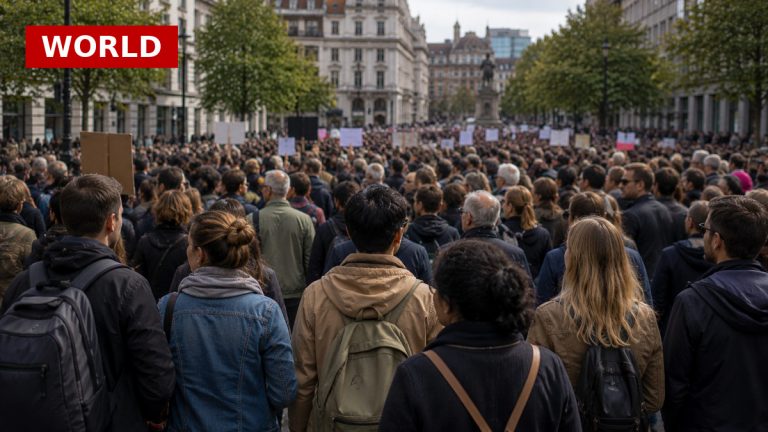
The recent surge of migrants at Ceuta has prompted the EU to reassess its border security strategy, highlighting the complexities of shared responsibilities among member states. European Commission President Ursula von der Leyen has called for a united approach, indicating that the management of borders is a collective European obligation. This situation has reignited tensions within the EU, with countries like Italy and France implementing temporary border controls, reflecting fears of a potential influx of migrants.
The incident has also raised questions about the effectiveness of current EU migration policies, which have been tightened in recent months. Despite these measures, the sudden rush of migrants suggests that misinformation and panic can quickly escalate into a crisis, leading to calls for stricter border controls. Migration expert Gerald Knaus pointed out that the recent events are not indicative of a larger displacement crisis but rather a reaction to perceived opportunities for crossing borders.
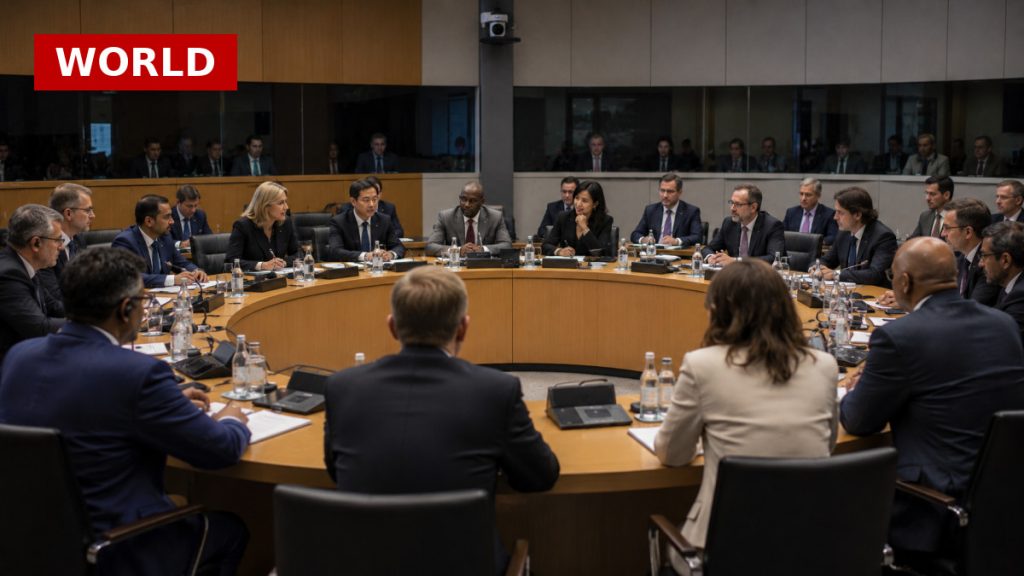
As the EU interior ministers prepare for emergency talks, the focus will be on enhancing cooperation with Morocco, a key partner in managing migration flows. The EU’s strategy may involve increased technical and financial support to Morocco, aiming to deter future crossings and improve border management. However, the political ramifications of this situation could lead to further divisions among EU states, complicating efforts to establish a cohesive migration policy.
Ultimately, the Ceuta incident serves as a reminder of the fragile nature of EU unity on migration issues. The response from member states will be crucial in shaping future policies and addressing the underlying challenges of migration management in the region. As the EU seeks to convey a clear message to potential migrants, the effectiveness of these strategies will be tested in the coming weeks.
Source: DW News