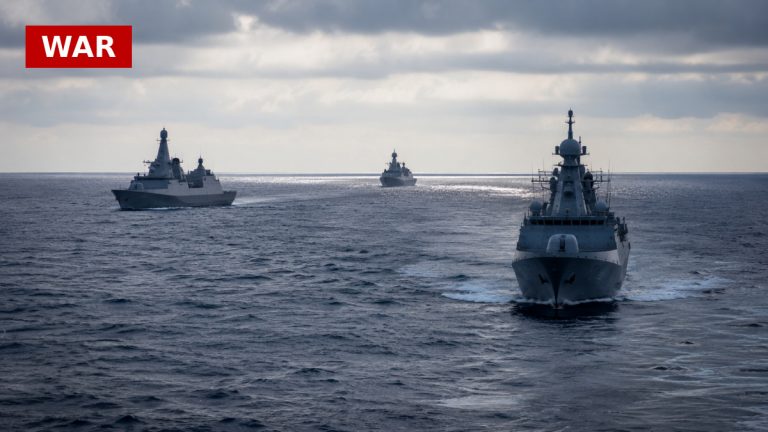
Negotiations between Iran, Oman, and the US are reportedly advancing towards a deal that could reopen the Strait of Hormuz, a critical maritime route for global oil supply. This agreement aims to restore shipping through the strait, which has faced significant disruptions due to escalating tensions in the region. The implications of this deal extend beyond immediate shipping concerns; it could pave the way for broader peace talks regarding Iran’s nuclear programme and regional stability.
The Strait of Hormuz is vital, with about one-fifth of the world’s oil passing through it. A successful agreement would not only alleviate current shipping disruptions but also help stabilise oil prices, which have been volatile due to the ongoing conflict. The negotiations are focused on control over the strait and whether Iran can impose fees on vessels, a contentious point that could affect international shipping practices.
As the situation develops, the potential for increased commercial traffic through the strait could signal a shift in regional dynamics, reducing the likelihood of military confrontations. However, the talks are complicated by Iran’s insistence on negotiating solely with Oman, which may limit the scope of the agreement and its enforcement.
Ultimately, the outcome of these negotiations could reshape not just shipping routes but also the geopolitical landscape in the Middle East, influencing how nations interact over energy security and maritime rights in the future.
Source: Al Jazeera