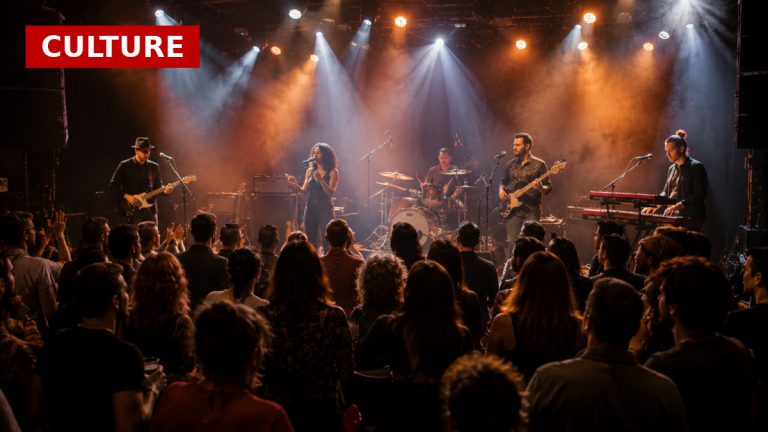
Berlin’s renowned nightlife is undergoing a significant transformation as clubs adapt to shifting consumer behaviours and rising operational costs. While venues still attract crowds, the reliance on alcohol sales has drastically decreased, with ticket sales now accounting for 59% of revenue compared to just 21% in 2017. This shift indicates a more conscious approach to nightlife, with patrons drinking less and opting for shorter visits.
The financial landscape for these clubs is becoming increasingly precarious. A recent survey revealed that 39% of clubs ended the year in the red, a stark contrast to 21% in 2017. Rising costs, including staff wages and rent, are squeezing profits, forcing many venues to rethink their event programming and pricing strategies. In response, 67% of clubs have raised drink prices, and 47% have increased admission fees.
Despite the challenges, demand for nightlife remains robust, with many clubs reporting occupancy rates above 50%. However, long-term sustainability is in jeopardy, as only 8% of operators own their venues, leaving them vulnerable to market fluctuations. The Club Commission is advocating for better support and recognition of clubs as cultural institutions to help secure their future.
As the club scene evolves, the focus on admission fees over drink sales may redefine the nightlife experience in Berlin. This shift could lead to a more diverse range of events and a potential decline in traditional club culture, impacting both operators and patrons alike.
Source: DW News