The ongoing conflict in Iran has revealed a complex tapestry of emotions and responses among its citizens. While some believe the war has fostered national unity, others argue it has intensified governmental repression. This duality is poignantly illustrated in the aftermath of a missile strike on a primary school in Minab, which tragically killed many children, including eight-year-old Mahya Salari. The incident has become a symbol of civilian suffering and has reshaped public sentiment towards the government.
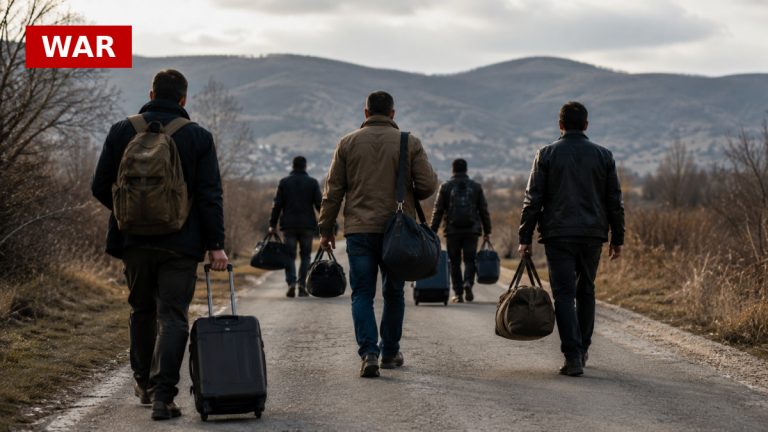
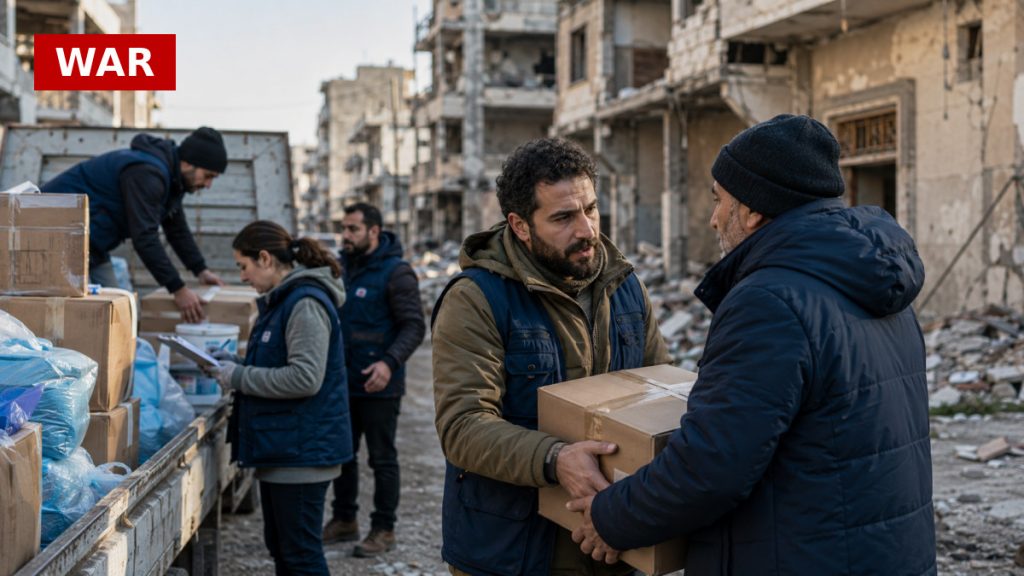
As Iranians navigate their daily lives amidst the chaos, conversations on trains reveal a mix of hope and despair. Many express a desire for change, yet fear the repercussions of speaking out. The war has not only disrupted routines but has also forced people to confront the harsh realities of their situation. The emotional toll is evident as families mourn their lost loved ones, and communities grapple with the destruction left behind.
The impact of the conflict extends beyond immediate grief; it has altered perceptions of the government and its ability to protect its citizens. For some, the war has become a catalyst for reflection on the cost of political change, as they witness the devastation inflicted on innocent lives. The stark contrast between the government’s narrative and the lived experiences of its people highlights a growing disconnect.
As the war continues, the stories emerging from Iran serve as a reminder of the human cost of conflict. The resilience of its people is tested daily, as they strive to maintain a semblance of normalcy while grappling with profound loss. The future remains uncertain, but the voices of those affected will shape the narrative of this war for years to come.
Source: The Guardian