The case of Simon Levy, a convicted murderer and serial rapist, has raised serious concerns about police bias and the treatment of vulnerable victims. While on bail, Levy continued to attack women, leading to the deaths of two sex workers. The End Violence Against Women Coalition has accused law enforcement of not taking allegations seriously due to the backgrounds of the victims, highlighting a troubling pattern of prejudice against sex workers.
This incident has sparked a broader discussion about how police and the justice system handle cases involving vulnerable populations, particularly those involved in sex work. Deniz Uğur from the coalition emphasized the need for accountability, questioning why Levy was allowed to remain free despite a history of sexual offenses. The implications of this case extend beyond Levy, as it reflects systemic issues within law enforcement and judicial processes.
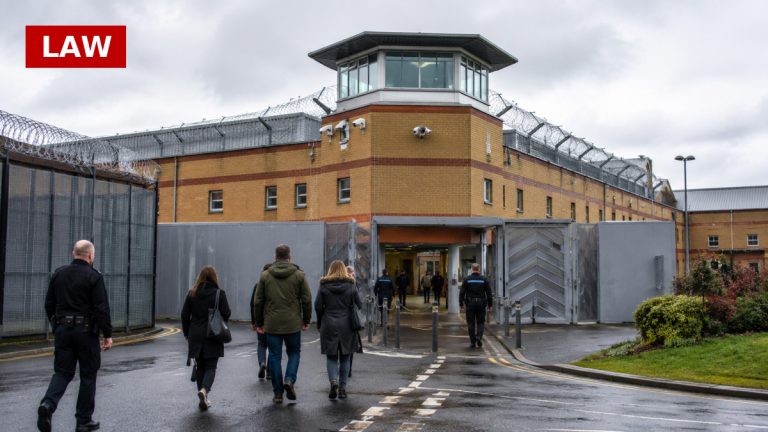
The Independent Office for Police Conduct is now investigating the actions of the Metropolitan Police and British Transport Police regarding their management of Levy’s case. This scrutiny could lead to significant changes in how police approach cases involving vulnerable individuals, potentially reshaping policies and training around victim support and offender management.
As the investigation unfolds, the case serves as a stark reminder of the vulnerabilities faced by marginalized groups and the urgent need for reform in the justice system to prevent further tragedies. The public’s reaction may also influence future policing strategies and the prioritization of victim safety in similar cases.
Source: LBC News