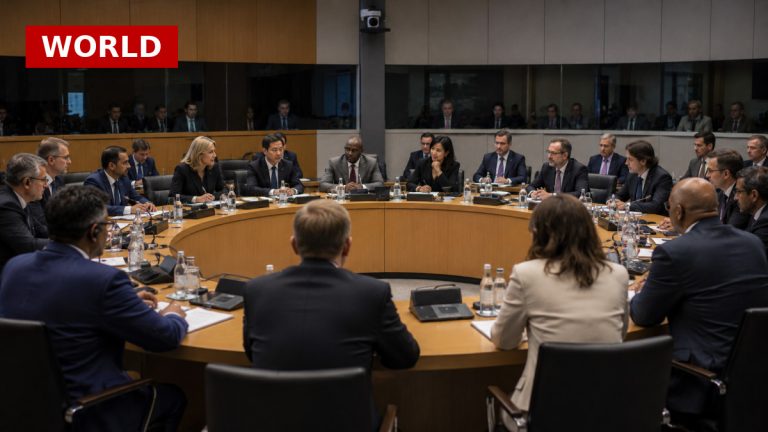
Turkey’s recent legislative move to offer conditional pardons to thousands of PKK fighters marks a significant shift in its long-standing conflict with the Kurdish militant group. This bill, which passed with overwhelming support, aims to facilitate the reintegration of fighters who lay down their arms, potentially reducing violence in the region.
The implications of this legislation extend beyond immediate peace prospects. By suspending prosecutions for certain offenses, the Turkish government is attempting to address decades of social and political division, particularly in the predominantly Kurdish southeast. This could lead to a gradual easing of tensions and foster a more stable environment for economic development.
However, the bill does not grant full amnesty, which raises questions about the long-term commitment to reconciliation. The release of approximately 3,500 PKK-linked detainees is just the beginning; the success of this initiative will depend on how it is implemented and perceived by both the Kurdish community and the wider Turkish society.
As Turkey navigates this complex landscape, the international community will be watching closely. The outcome of this legislative change could influence regional stability and Turkey’s relationships with its allies, particularly in the context of its designation of the PKK as a terrorist organization.
Source: Al Jazeera