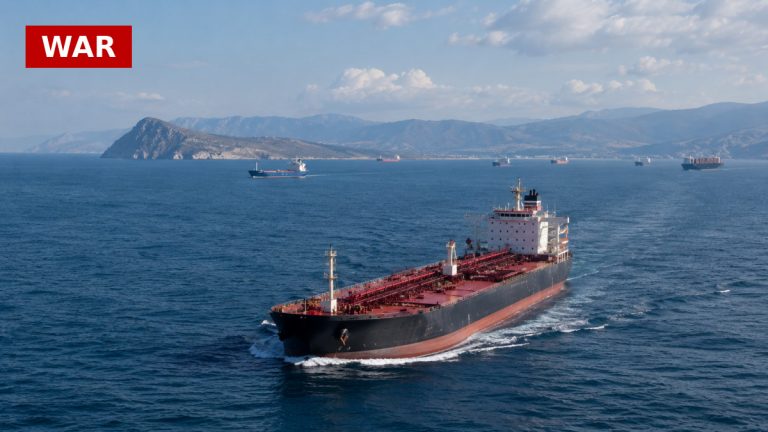
Iran’s recent declarations highlight a firm commitment to resist US influence, particularly regarding the strategic Strait of Hormuz. The Islamic Revolutionary Guard Corps (IRGC) has asserted that it has replenished its missile and drone stockpiles, indicating a readiness for prolonged conflict. This defiance not only escalates regional tensions but also poses significant implications for global oil supply routes, as the Strait of Hormuz is a critical chokepoint for oil shipments.
The IRGC’s claims of increased military capabilities come amid reports of dwindling US munitions, suggesting a shift in the balance of power. Iran’s insistence on maintaining a blockade until its demands are met could lead to heightened military engagements, impacting international shipping and potentially driving up oil prices. The situation is further complicated by Iran’s strengthening ties with China, which may embolden its stance against US sanctions and military pressure.
As Iran consolidates its military leadership and emphasizes asymmetric warfare capabilities, the potential for conflict escalation increases. The IRGC’s rhetoric suggests a willingness to target not just US assets but also global infrastructure, raising concerns about cybersecurity and energy security worldwide. This could lead to a ripple effect on global markets, affecting everything from energy prices to international trade routes.
With mediators attempting to broker peace, the hardening of Iran’s position signals that any resolution may be far off. The ongoing military actions in the region, coupled with Iran’s strategic partnerships, underscore the complexities of the current geopolitical landscape and the potential for long-term instability that could affect the UK and its allies.
Source: Al Jazeera