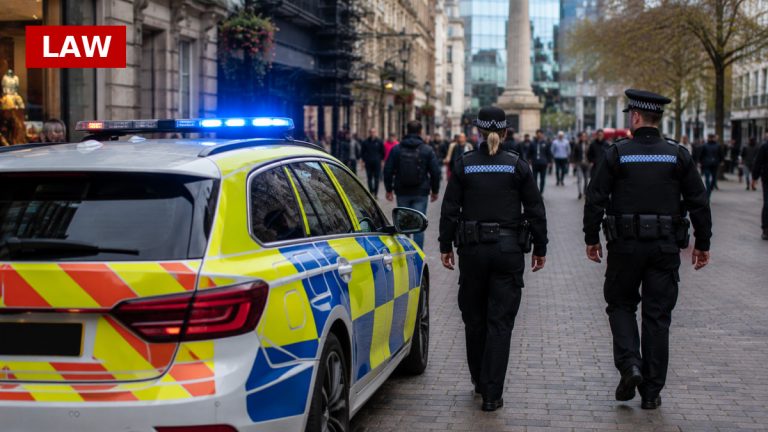
The Metropolitan Police’s recent data breach, which exposed the email addresses of around 140 women alleging abuse by Mohamed Al Fayed, has raised serious concerns about the handling of sensitive information. This incident, resulting from a simple human error, has not only violated the privacy of these victims but also reignited discussions about the police’s trustworthiness in managing survivor data.
The breach occurred when the police inadvertently included recipients in a visible email list rather than using blind carbon copy (BCC). This oversight has left victims feeling vulnerable and violated, as their identities are now linked to a high-profile investigation. The police have acknowledged the breach and are reviewing their processes to prevent future occurrences, but the damage to victims’ trust is significant.
Victims like Joanna Brittan have expressed their distress, highlighting that this is not the first time the Met has mishandled sensitive information. The implications of such breaches extend beyond individual privacy; they can deter survivors from coming forward, fearing further exposure and lack of confidentiality in their cases.
As the investigation into Al Fayed continues, the police’s commitment to safeguarding victim identities will be scrutinised. The need for robust protocols in handling sensitive data is more critical than ever, as the wellbeing of survivors hangs in the balance.
Source: BBC News