The future of Afghan refugees in Europe is increasingly precarious as anti-immigration sentiments rise across the continent. Many who fled the Taliban’s takeover in 2021, like Abdul Wali in the Netherlands, now hold only temporary residency permits, leaving them in a state of limbo. This uncertainty is compounded by recent changes in Dutch law, which threaten the stability these families have begun to establish.
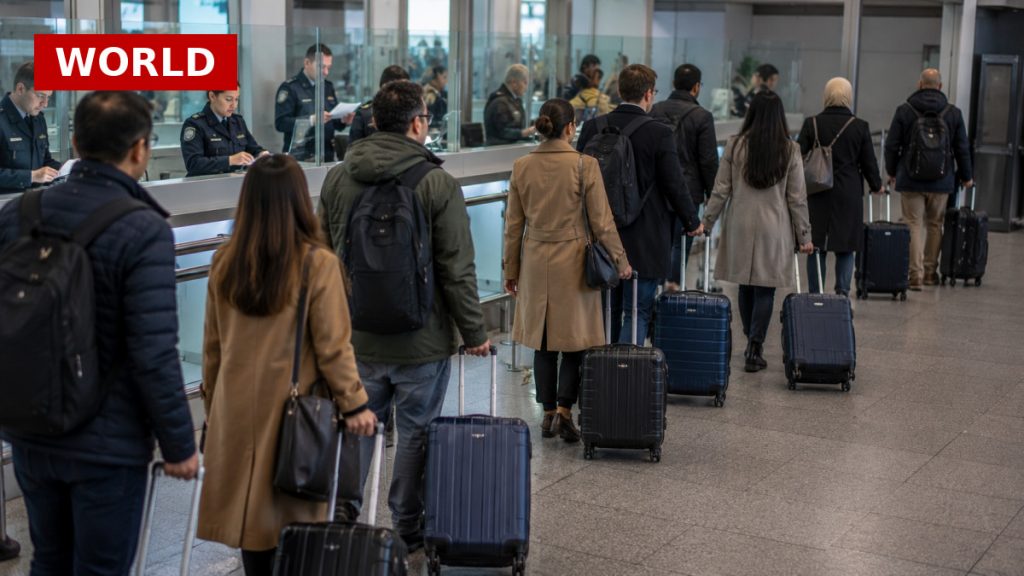
With approximately half a million Afghans seeking asylum in the EU, European governments are under pressure to adopt stricter refugee policies. This shift has led to discussions about potentially deporting refugees back to Afghanistan, a move that many fear could endanger their lives. Countries like Germany have already begun deporting individuals, including those without criminal records, raising alarms among the Afghan community.
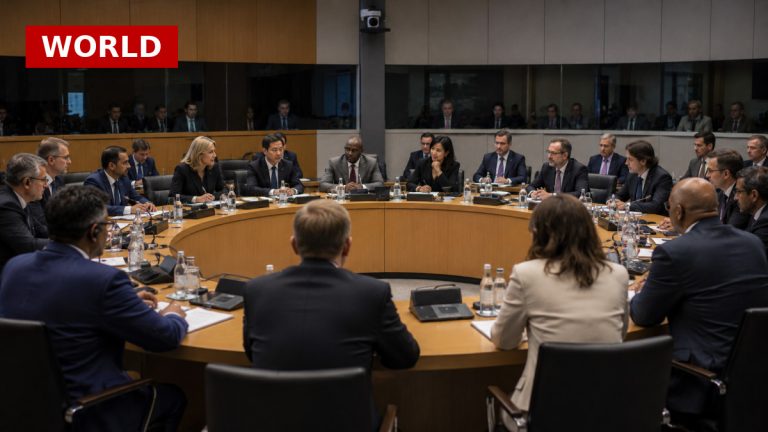
The EU’s willingness to engage with the Taliban, as seen in recent diplomatic meetings, suggests a troubling trend where the Taliban may influence European migration policies. Former officials express concern that this could create a dangerous precedent, effectively making the Taliban the gatekeeper of migration, despite their role in creating the conditions that forced many to flee.
As families like Abdul Wali’s navigate this uncertain landscape, the psychological toll is significant. With children eager to return to school and parents fearing for their safety, the stakes are high. The situation underscores the urgent need for clarity and protection for those who risked their lives to support Western missions in Afghanistan.
Source: Al Jazeera