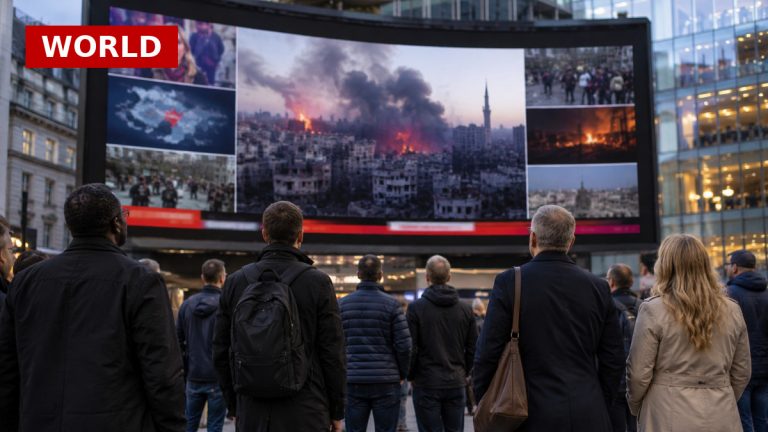
In northern Iraq, the aftermath of the Islamic State’s reign has left villages like Faka eerily silent, but the struggle for survival has shifted from conflict to climate. Residents who once fled violence now face extreme heat and water shortages, making life unbearable. With temperatures soaring to nearly 50°C and erratic rainfall, many families are reluctant to return, fearing a lack of basic services and jobs.
The UN warns that Iraq is among the most vulnerable nations to climate change, projecting severe water shortages by 2035. In Sinjar, abandoned homes outnumber those occupied, as the climate crisis exacerbates the challenges of rebuilding. Villagers like Rajab Mohammed highlight that the new enemy is not IS, but the harsh realities of drought and economic despair.
As groundwater levels plummet, agricultural livelihoods are increasingly threatened. The International Organization for Migration reports over 186,000 people displaced by climate-related factors in Iraq. Villages like Tal Jado’o, once bustling, now lie in ruins, with only a handful of residents remaining.
The situation underscores a grim reality: without urgent action to address climate impacts, the cycle of displacement and abandonment will continue, leaving communities trapped in a struggle for survival against forces beyond their control.
Source: The Guardian