Iranian President Masoud Pezeshkian has declared a desire to end the ongoing conflict with the United States, asserting that Iran is in a position of strength. This statement comes amid stalled diplomatic talks and increasing tensions, particularly regarding shipping disruptions in the vital Strait of Hormuz. Pezeshkian’s comments suggest a strategic pivot, as Iran seeks to leverage its perceived power to negotiate from a position of dignity rather than desperation.
The backdrop of these developments includes impending economic sanctions from the US, which could significantly impact Iran’s economy. The Iranian leadership has warned of a robust military response to any new threats, indicating that while they seek dialogue, they are also prepared for escalation. This dual approach highlights the complexities of Iran’s foreign policy, balancing between negotiation and military readiness.
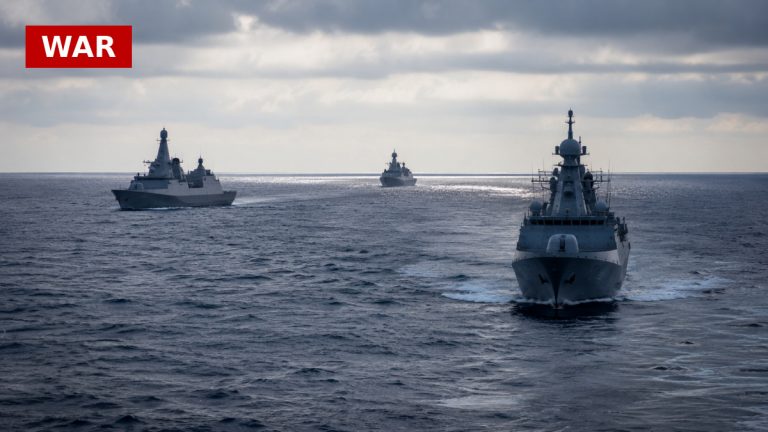
The situation is further complicated by the US’s naval presence in the Strait of Hormuz, where it has been conducting operations to ensure the safe passage of oil tankers. This military strategy underscores the US’s commitment to countering Iranian influence in the region, which could lead to further tensions if diplomatic efforts fail.
As the US prepares to impose new sanctions, the international community watches closely. Iran’s response to these sanctions and its willingness to engage in dialogue could set the tone for future relations, not just with the US but also with other nations that are wary of US economic pressure. The outcome of this situation may have significant implications for global oil markets and regional stability.
Source: Al Jazeera