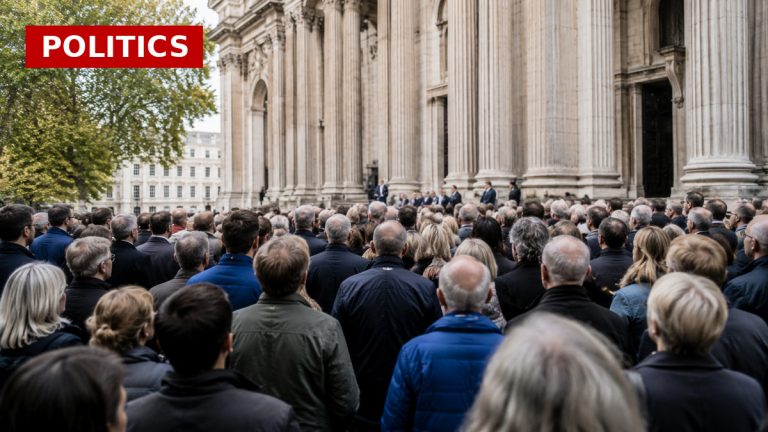
In Stockholm, over 10,000 demonstrators rallied against the Swedish government’s climate policies, highlighting a growing urgency among citizens as the 13 September general election approaches. The protest, featuring prominent climate activist Greta Thunberg, underscored widespread dissatisfaction with the current administration’s approach to climate change, particularly its failure to meet ambitious emissions reduction targets.
The ruling right-wing coalition, led by Prime Minister Ulf Kristersson, has faced criticism for cutting petrol taxes and rejecting key recommendations aimed at phasing out fossil fuels. This has raised concerns among voters, with a recent poll indicating that climate change is the top priority for 37% of respondents. The opposition, currently leading in polls, may capitalize on this discontent.
Protesters argue that immediate action is necessary to avert a climate disaster, contrasting sharply with the government’s gradual approach to fossil fuel phase-out. This disconnect between public sentiment and government policy could have significant implications for the upcoming election, potentially reshaping Sweden’s political landscape.
As the climate crisis intensifies, the outcome of this election may not only determine Sweden’s environmental policies but also reflect a broader shift in voter priorities across Europe, where climate action is increasingly seen as a critical issue for future governance.
Source: Euronews