Iran’s President Masoud Pezeshkian has defended a recent memorandum of understanding with the United States, claiming it offers the best chance to resolve the ongoing conflict. This agreement, which opened a 60-day window for negotiations, has significant implications for Iran’s economy, currently suffering under heavy sanctions and a naval blockade. The failure to reach a compromise could exacerbate economic hardships and hinder foreign investment, crucial for recovery.
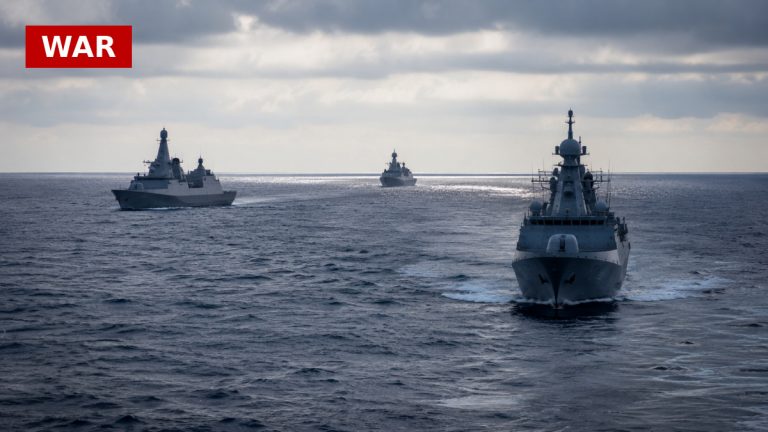
The memorandum’s expiration without a resolution highlights the precarious situation in the region. Iran’s hard-line leaders are warning neighboring countries against supporting U.S. sanctions, indicating a potential escalation in tensions. This defiance could lead to retaliatory actions, particularly targeting oil shipping routes, which are vital for global trade.
As the U.S. prepares to announce new economic measures against Iran, the geopolitical landscape remains fraught with uncertainty. The involvement of Pakistan’s military chief in mediating talks suggests a regional effort to de-escalate tensions, but the path forward is fraught with challenges. The lack of compromise on critical issues, such as the reopening of the Strait of Hormuz, remains a sticking point.
The situation underscores the interconnectedness of regional stability and global economic health. As Iran navigates these turbulent waters, the outcomes of these negotiations will have far-reaching consequences not just for the Middle East, but for international markets reliant on stable oil supplies.
Source: PBS News