A devastating landfill collapse in Conakry, Guinea, has resulted in at least 30 fatalities, raising serious questions about safety regulations and urban planning in the area. The incident occurred after heavy rains triggered a landslide at the largest landfill site, burying nearby shacks and prompting a significant search and rescue operation. This tragedy underscores the vulnerabilities faced by communities living near hazardous waste sites, particularly in regions where infrastructure is lacking.
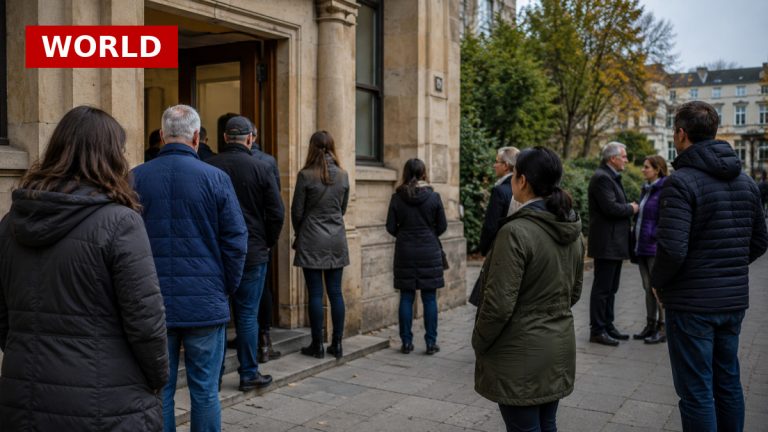
The government had announced the landfill’s closure on the day of the collapse, indicating prior awareness of the site’s dangers. This raises concerns about the adequacy of measures taken to protect residents and the effectiveness of communication regarding safety protocols. The local community is now grappling with the aftermath, as families mourn their losses and seek answers from authorities.
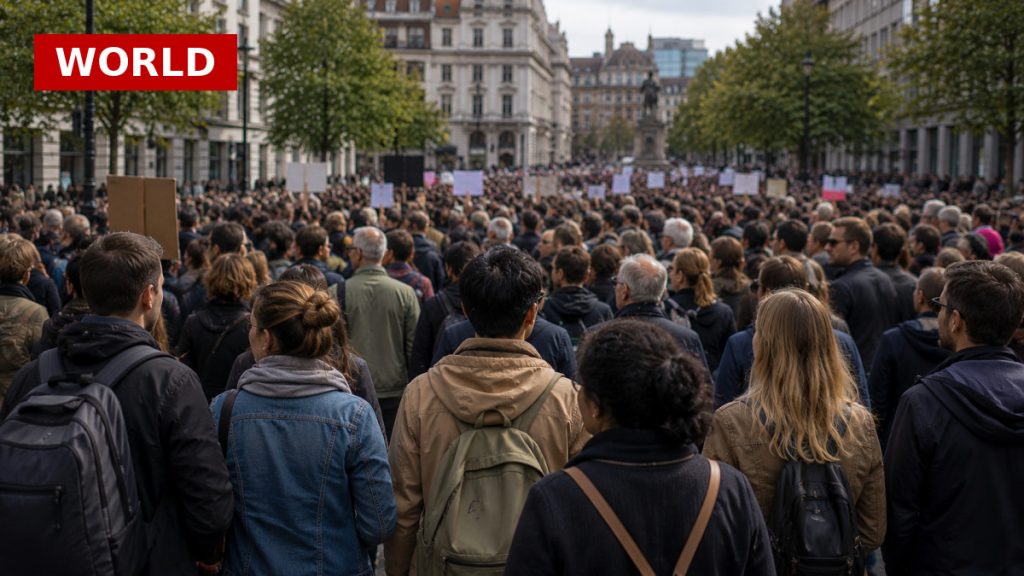
Former Prime Minister Cellou Dalein Diallo’s call for transparency reflects a growing demand for accountability in the wake of this disaster. As the government investigates the circumstances leading to the collapse, the incident may catalyse broader discussions about waste management practices and urban safety in Guinea.
With the potential for similar incidents in the future, this tragedy serves as a stark reminder of the need for improved regulations and community awareness regarding hazardous sites. The implications of this event could resonate beyond Guinea, influencing policies on waste management and urban planning in other vulnerable regions.
Source: Al Jazeera