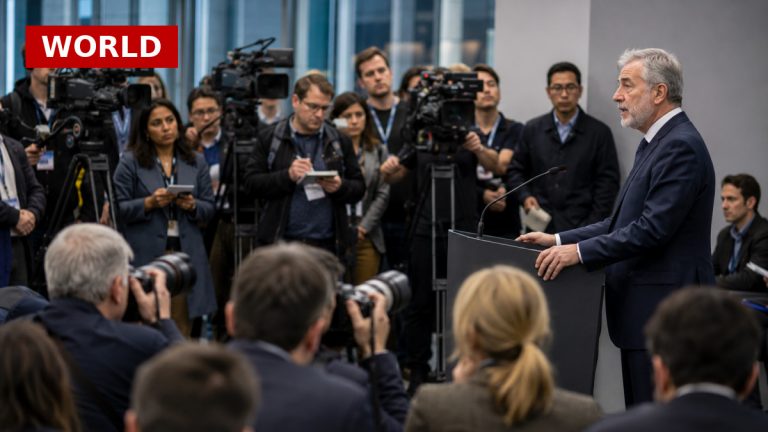
Armenia’s announcement to apply for EU membership marks a significant geopolitical shift, moving away from Russian influence. Prime Minister Nikol Pashinyan’s plan includes a national referendum post-application, indicating a decisive break from the Russia-led Collective Security Treaty Organisation (CSTO). This move comes amid rising tensions with Russia, which has historically guaranteed Armenia’s security but has shown limitations in recent conflicts.
The implications of Armenia’s EU aspirations extend beyond politics; they could reshape economic ties and security dynamics in the South Caucasus. Pashinyan’s call for a referendum suggests a commitment to democratic processes, but it also highlights the precarious balance Armenia must maintain with Russia, which has threatened economic repercussions for this shift.
As Armenia seeks to integrate into European structures, it faces the challenge of transitioning its economy, which heavily relies on Russian energy and infrastructure. The request to relinquish Russian control over Armenian railways signals a desire for greater autonomy and international connectivity, potentially attracting foreign investment from nations like Kazakhstan and the UAE.
The Kremlin’s response indicates a willingness to let Armenia choose its path, but warns of potential trade conflicts. As Armenia navigates this transition, the outcome could redefine regional alliances and influence the broader geopolitical landscape, particularly in light of ongoing tensions with Azerbaijan and the historical context of Armenian-Russian relations.
Source: Euronews