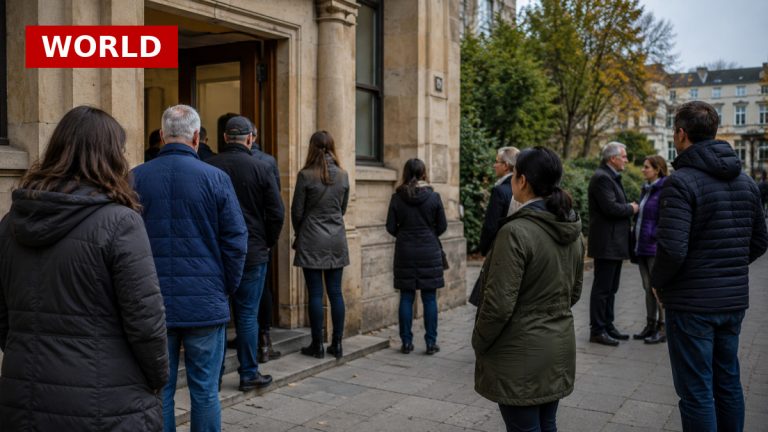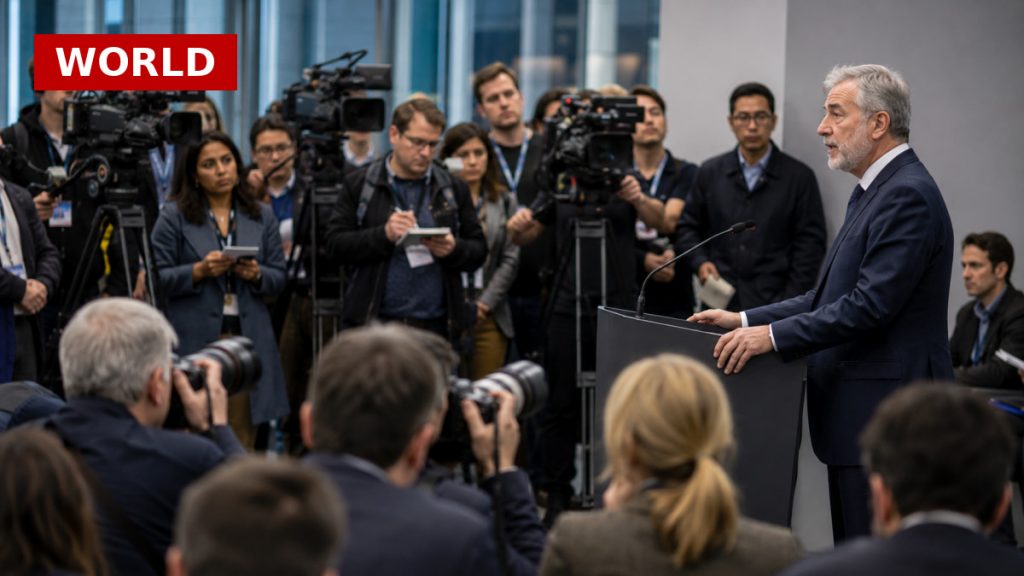
Iceland’s recent EU referendum is proving to be a pivotal moment, with initial results showing a razor-thin margin between ‘Yes’ and ‘No’ votes. As of now, ‘Yes’ stands at 51.2% while ‘No’ is at 48.8%. This close contest highlights a deep divide in public opinion, particularly between urban and rural areas, where rural constituencies are leaning heavily towards Euroscepticism due to concerns over fisheries and farming policies.
The implications of this referendum extend beyond Iceland’s borders. A decision to resume EU accession negotiations could reshape economic ties and trade agreements, impacting not only Iceland but also the UK, which has its own complex relationship with the EU post-Brexit. If the ‘Yes’ camp prevails, it may signal a shift in the regional dynamics of EU membership discussions, potentially influencing other non-member states.
Voter turnout has been notably high, comparable to previous elections, suggesting that Icelanders are deeply engaged in this decision. The outcome will not only affect Iceland’s future but may also serve as a barometer for Eurosceptic sentiments in other nations, especially in light of rising nationalism across Europe.
As counting continues, the results will be closely monitored, with further updates expected throughout the night. This referendum could mark a significant turning point in Iceland’s political landscape and its relationship with the European Union.
Source: Euronews