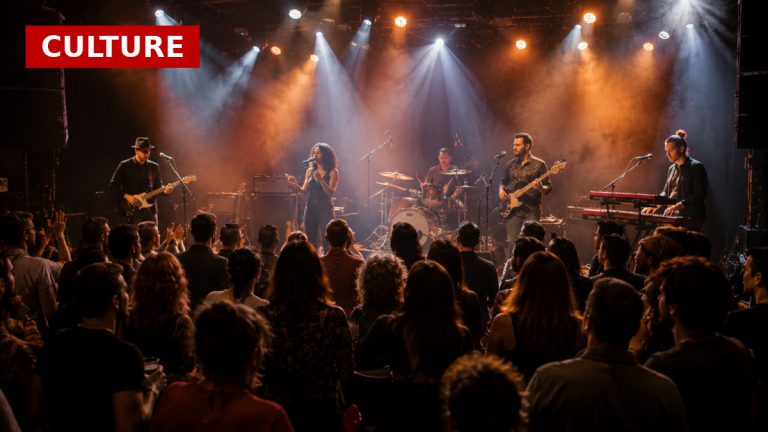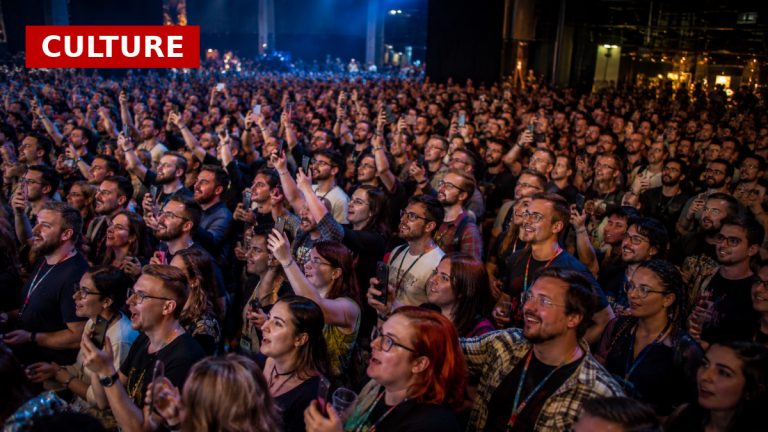
Rio de Janeiro’s ballroom scene, rooted in Black and Latinx LGBTQ+ communities, has evolved significantly since its inception in 2016. This vibrant culture, inspired by the original ballroom movement in New York, offers a space for self-expression and belonging, particularly for those often marginalized in society. The scene has grown from small gatherings to larger events that celebrate dance, fashion, and performance, reflecting the unique rhythms of Rio.
The ballroom events, such as the Noite das Estrelas, not only showcase talent but also foster a sense of community among participants. Names and titles within the scene signify belonging and hierarchy, with houses acting as chosen families that provide support and recognition. This dynamic creates a rich tapestry of relationships and identities, allowing individuals to express themselves freely.
As the ballroom culture gains visibility, it also faces challenges. While it attracts larger audiences and enters prestigious venues, there is a risk of losing its grassroots essence. The integration of local political struggles and cultural elements ensures that the scene remains connected to its origins, even as it expands.
Photographers like Juliana Bizzo capture the energy and emotion of these events, highlighting the importance of presence and participation. The ballroom scene in Rio is not just about competition; it’s a celebration of life, resilience, and the power of community, making it a vital part of the city’s cultural landscape.
Source: The Guardian