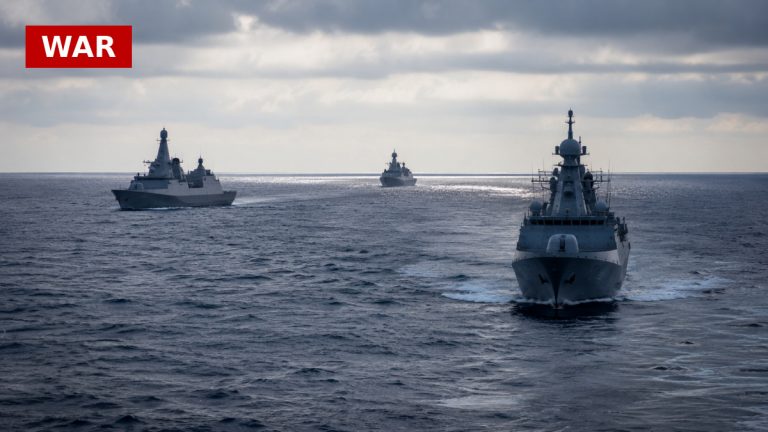
The recent US military strikes on Iranian positions in the Strait of Hormuz have raised questions about Iran’s capabilities to use rockets for laying sea mines. While analysts deem the idea implausible, the situation highlights Iran’s history of adapting conventional weapons for asymmetric warfare. The US claims to have observed preparations by Iran’s Islamic Revolutionary Guard Corps (IRGC) to deploy mines using rockets, a tactic that could significantly disrupt maritime traffic in this crucial waterway.
The Strait of Hormuz is a vital passage for global oil shipments, and any mining activity could lead to increased tensions and military responses. The US has already initiated a blockade of Iranian ports, indicating a serious commitment to countering perceived threats. The potential for Iran to innovate in mine-laying tactics, as demonstrated in previous naval exercises, poses a significant risk to shipping routes and could escalate military engagements in the region.
If Iran were to successfully deploy mines using rockets, it would represent a shift in naval warfare tactics, allowing for rapid and widespread mine deployment. This could complicate US and allied naval operations, requiring extensive mine-sweeping efforts to ensure safe passage for commercial vessels. The implications for global oil prices and shipping insurance could be profound, affecting economies far beyond the region.
As the situation develops, the international community will need to monitor Iran’s military capabilities closely. The potential for miscalculation or unintended escalation remains high, particularly given the strategic importance of the Strait of Hormuz. Understanding these dynamics is crucial for anticipating future conflicts and their broader economic impacts.
Source: Al Jazeera