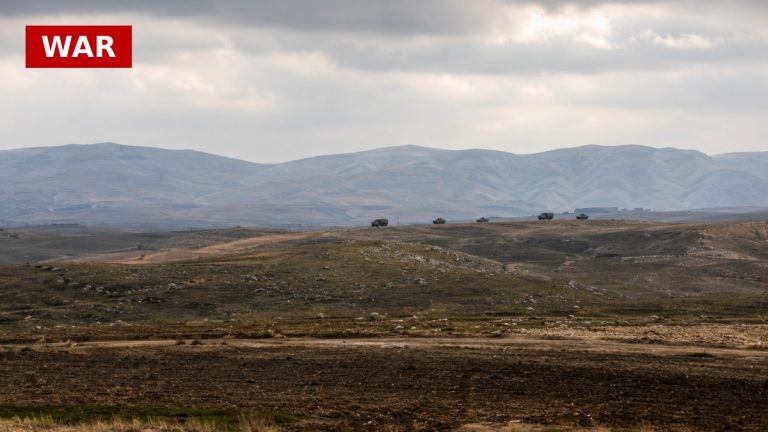
The recent US strikes on Iranian targets have reignited tensions in the Strait of Hormuz, a crucial waterway for global oil transport. Following the attacks, oil prices surged, highlighting the immediate economic implications of military actions in the region. The US military justified the strikes as retaliation for Iranian threats against commercial shipping and US personnel, indicating a potential shift in military engagement strategies.
Iran’s response has been swift, with threats of retaliation and military operations targeting US interests. This escalation could lead to a cycle of violence that disrupts not only regional stability but also global oil markets, affecting prices and supply chains. The situation underscores the fragility of international agreements and the potential for broader conflict.
Additionally, the US plans to impose new sanctions on Iran, aiming to economically isolate the regime further. This strategy could have long-term effects on Iran’s economy and its ability to engage in international trade, potentially leading to increased domestic unrest.
As both nations prepare for further confrontations, the implications for global security and economic stability are significant. The situation serves as a reminder of the interconnectedness of military actions and economic consequences in today’s geopolitical landscape.
Source: DW News